
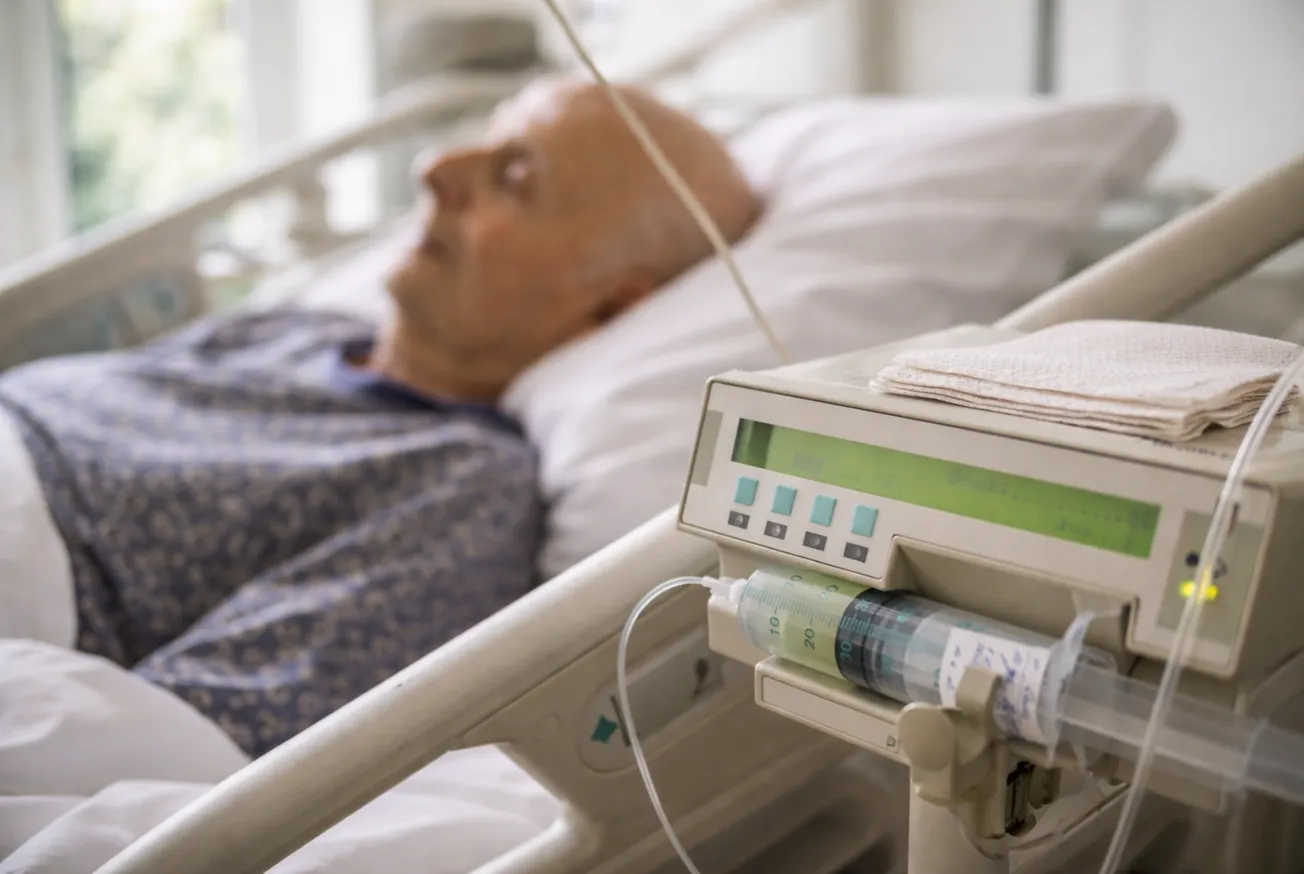
Palliative care in Plymouth is “not meeting the needs of our residents”, a city councillor has warned.
Independent councillor for Plympton, Terri Beer, says vulnerable patients and their families are being let down by gaps in provision, poor coordination and limited access to specialist support.
She says too many families are forced to fight for basic dignity and care, warning that "access to palliative services should be based on need not circumstance”.
Cllr Beer is calling for urgent action, including a review of bed capacity, hospital standards and clearer pathways for patients living with life limiting conditions.

She said there is a widespread misunderstanding about what palliative care involves, with many decision makers treating it as being only for end of life support rather than long term symptom management. She explained:
"It is not solely about end of life support, it is about managing symptoms and supporting quality of life, often for people who may live with their condition for many years."
The issue is personally close to Cllr Beer, who says she has years of first hand experience of palliative care in Plymouth.
Her concerns are shaped by the care needs of her daughter, brother and sister, who each required complex cancer treatment across hospital, hospice and community services.
Have you been affected by the issues raised in this story, or is there something we should investigate? We want to hear from you.
Cllr Beer also raised concerns about the standards of care she has witnessed at Derriford Hospital, including reports of blocked toilets and sinks left out of service, unclean bathroom facilities and vulnerable patients being left without help to eat.
She also described an incident in which a deceased patient was left behind a curtain until the following day. She said:
"While medical teams and many nursing staff were compassionate and supportive, the conditions are distressing and disrespectful.
"A deceased was patient left behind a curtain until the following day, in full view of other patients, some themselves receiving palliative or end‑of‑life care.
"No family should have to clean bathrooms, advocate for basic hygiene, feed their vulnerable loved one, or endure such traumatic scenes.
"What I witnessed shocked me deeply."

Plymouth currently has four end of life beds at Mount Gould hospital and eight beds at St Luke’s Hospice, which also serves parts of Cornwall and South Devon.
This level of provision is “plainly inadequate for a city of our size and for the wider area it serves", Cllr Beer added.
Cllr Beer was able to challenge and escalate issues as an advocate for her family, but warned that many patients do not have someone able to do the same. She added:
"A health system that depends on relatives to ensure basic dignity is a system that is failing."
The councillor is calling for a full review of palliative and end of life care provision in Plymouth, including bed capacity and accessibility, as well as an audit of hygiene standards, staffing levels and nutrition support for patients.
She also wants clearer training and guidance to help agencies distinguish between palliative and end of life care and has called for a meeting with healthcare providers to agree an improvement plan.
Cllr Beer has stressed that her criticism was not directed at frontline staff, adding that nurses and doctors were working under significant pressure. She said:
"I fully expect some political figures will try to dismiss my concerns or claim I am criticising staff.
"Let me be clear, I am not. My criticism is of the structures and decision makers who have failed to give palliative care the investment and attention it needs.”
Sign up for free below to get notified of all the latest breaking news from Plymouth Plus.