Plymouth Plus was first to break the news on Wednesday that an unexploded bomb was found in the city.
Now, we reveal everything that happened from the moment the device was detected beneath the ground to the point the Royal Navy confirmed a successful “high order” demolition of the bomb at sea.
Specialist private ordnance disposal experts S.I UXO, based in Devon, were contracted by Plymouth City Council to survey a construction site on Martin Street for suspected ordnance.
This survey began in Millbay early on Wednesday, 14 January, with experts using a cone penetration testing machine, CPT Percy.
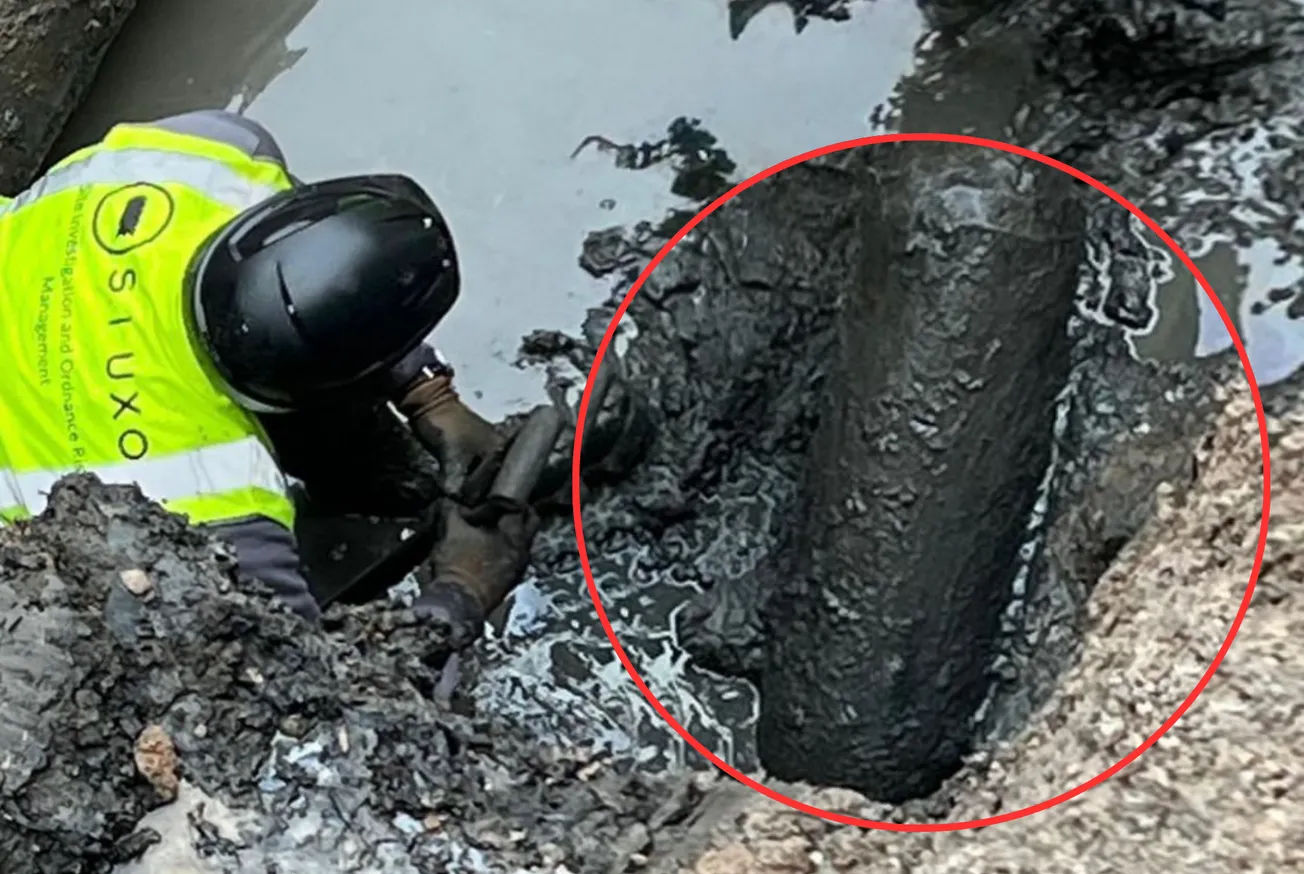
As a result of this survey, an anomaly was found 4.3 metres beneath the ground. A targeted dig followed, which led to the discovery of an SC50 German wartime bomb.
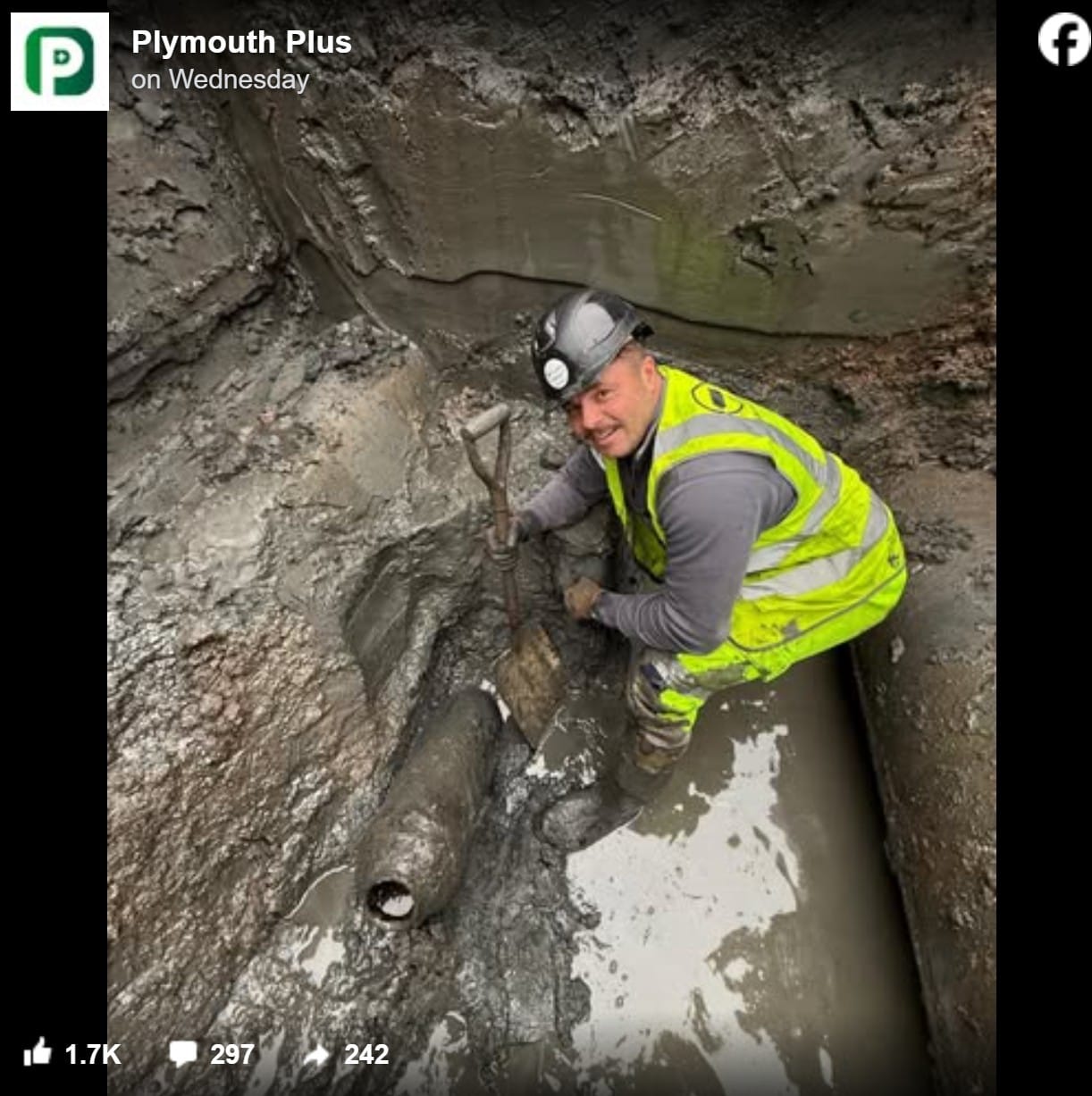
Plymouth Plus was first to reveal the type of device and publish images of it, as the response started to ramp up.
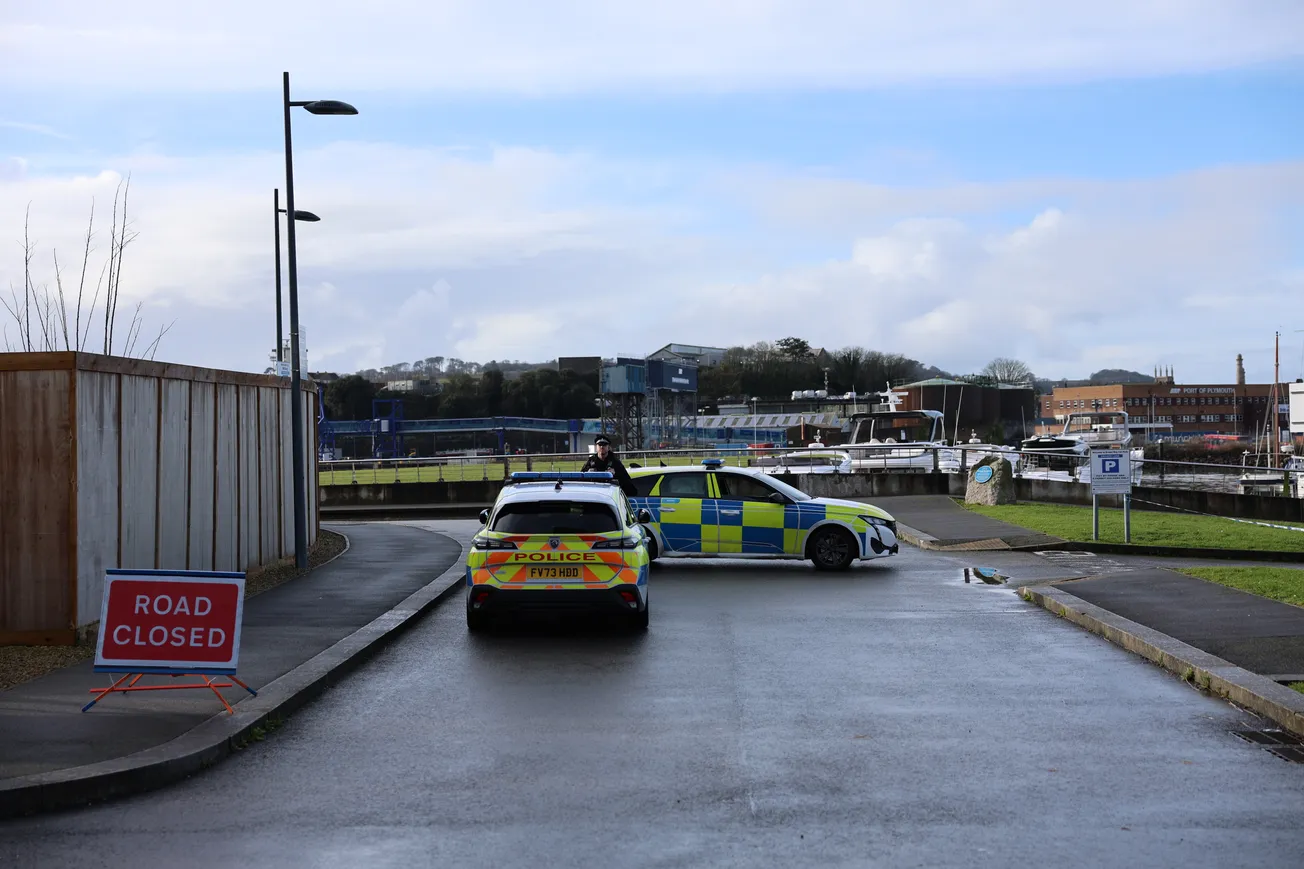
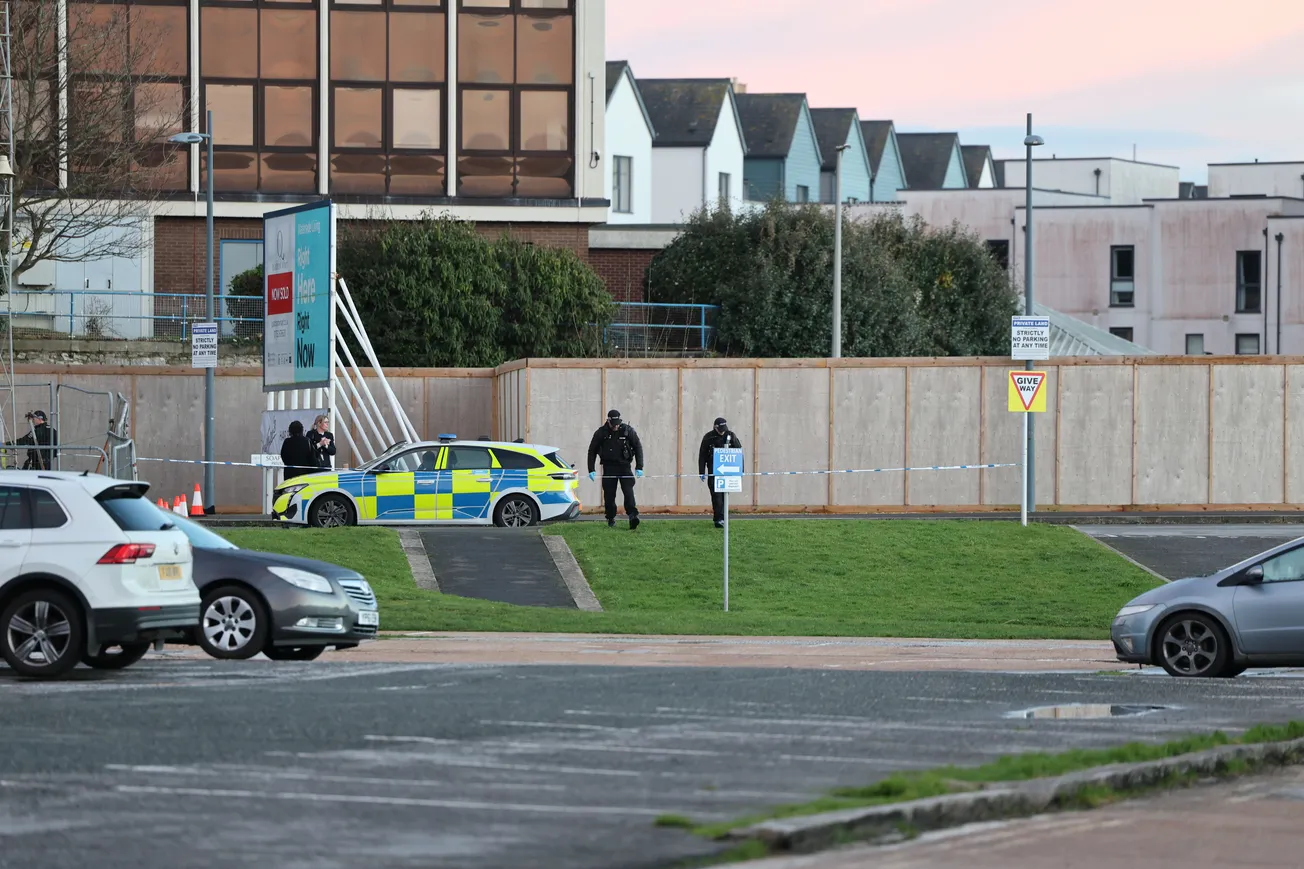
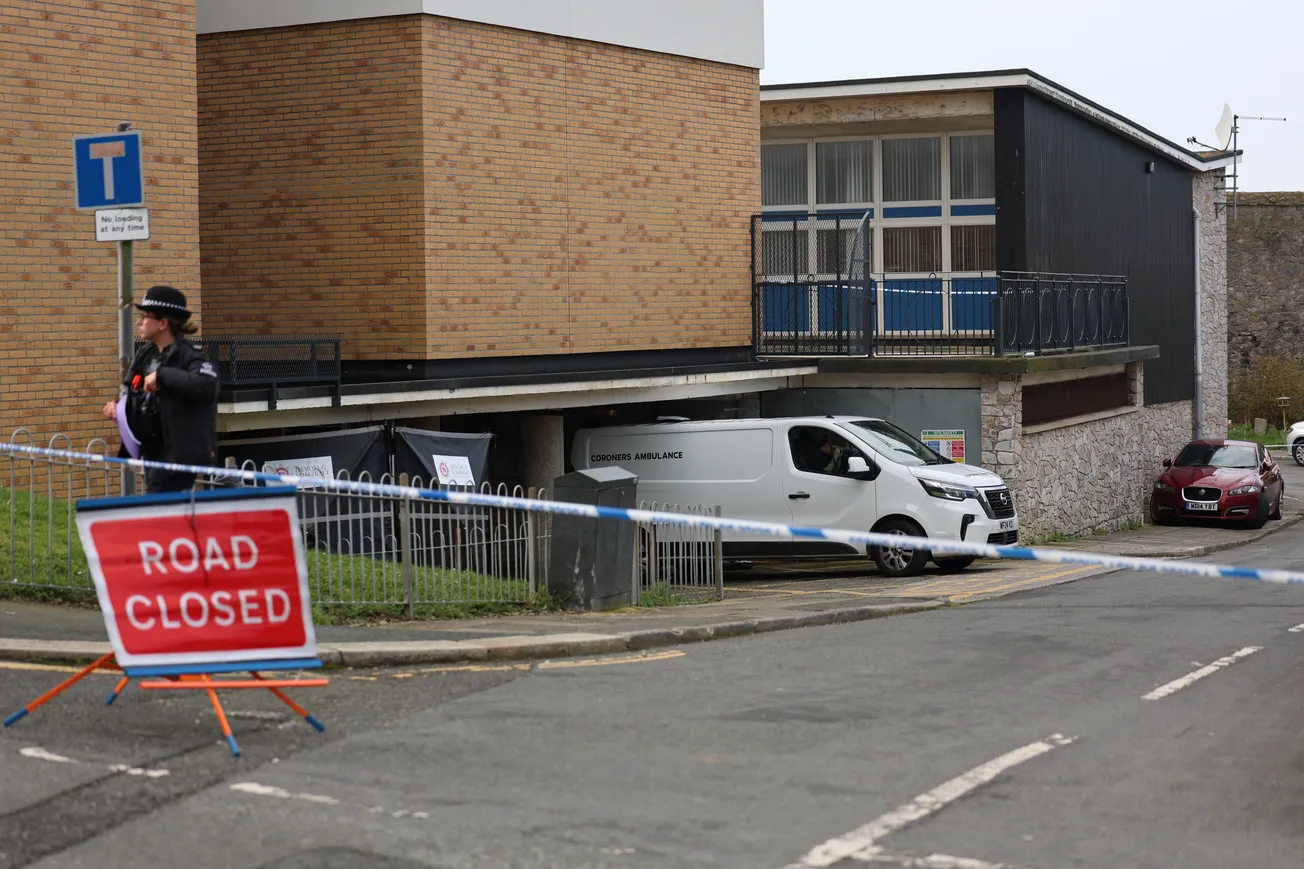
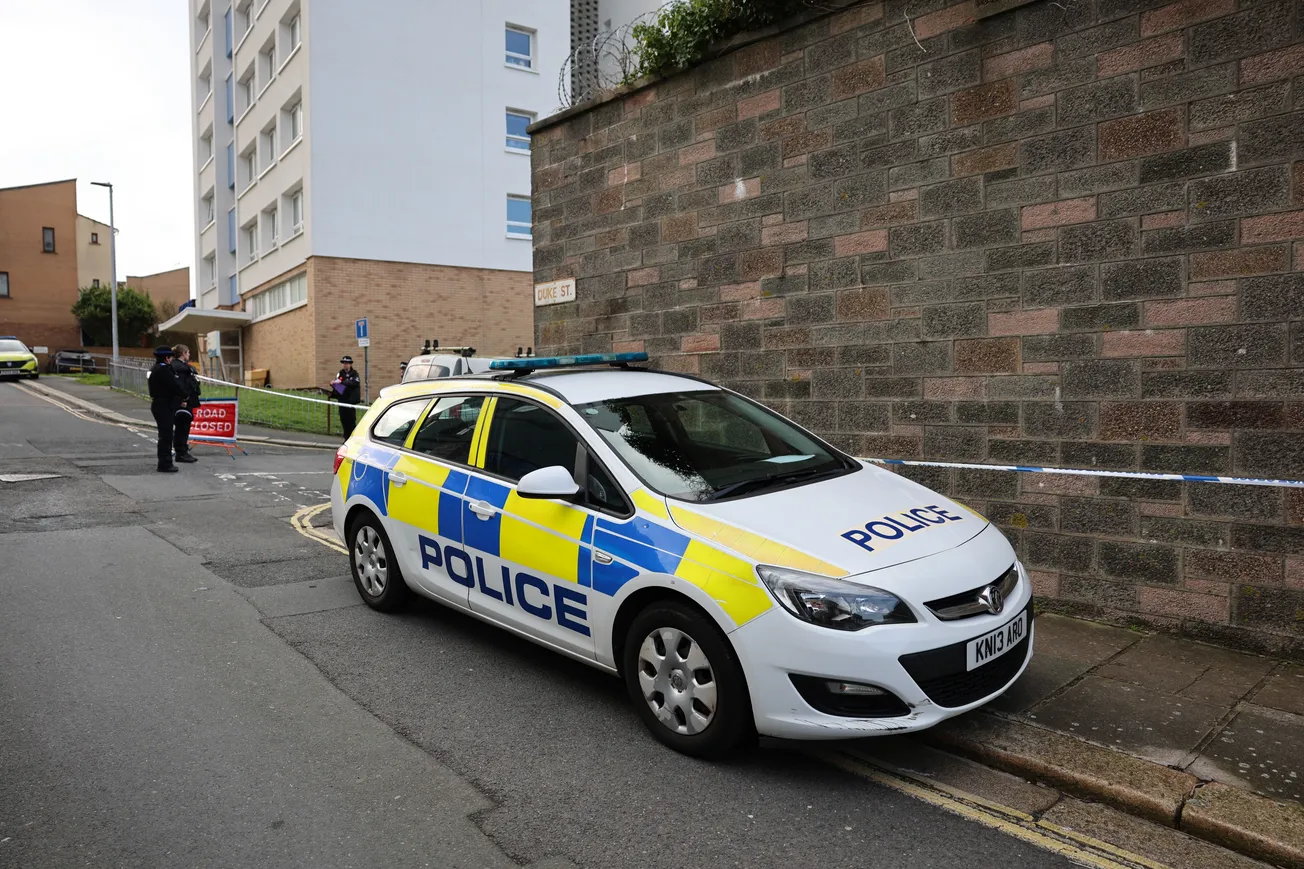
At 11.40am, Devon and Cornwall Police were notified of the discovery. Officers arrived at the scene and quickly put a 100 metre cordon in place, further to initial advice received from the Royal Navy bomb disposal team.
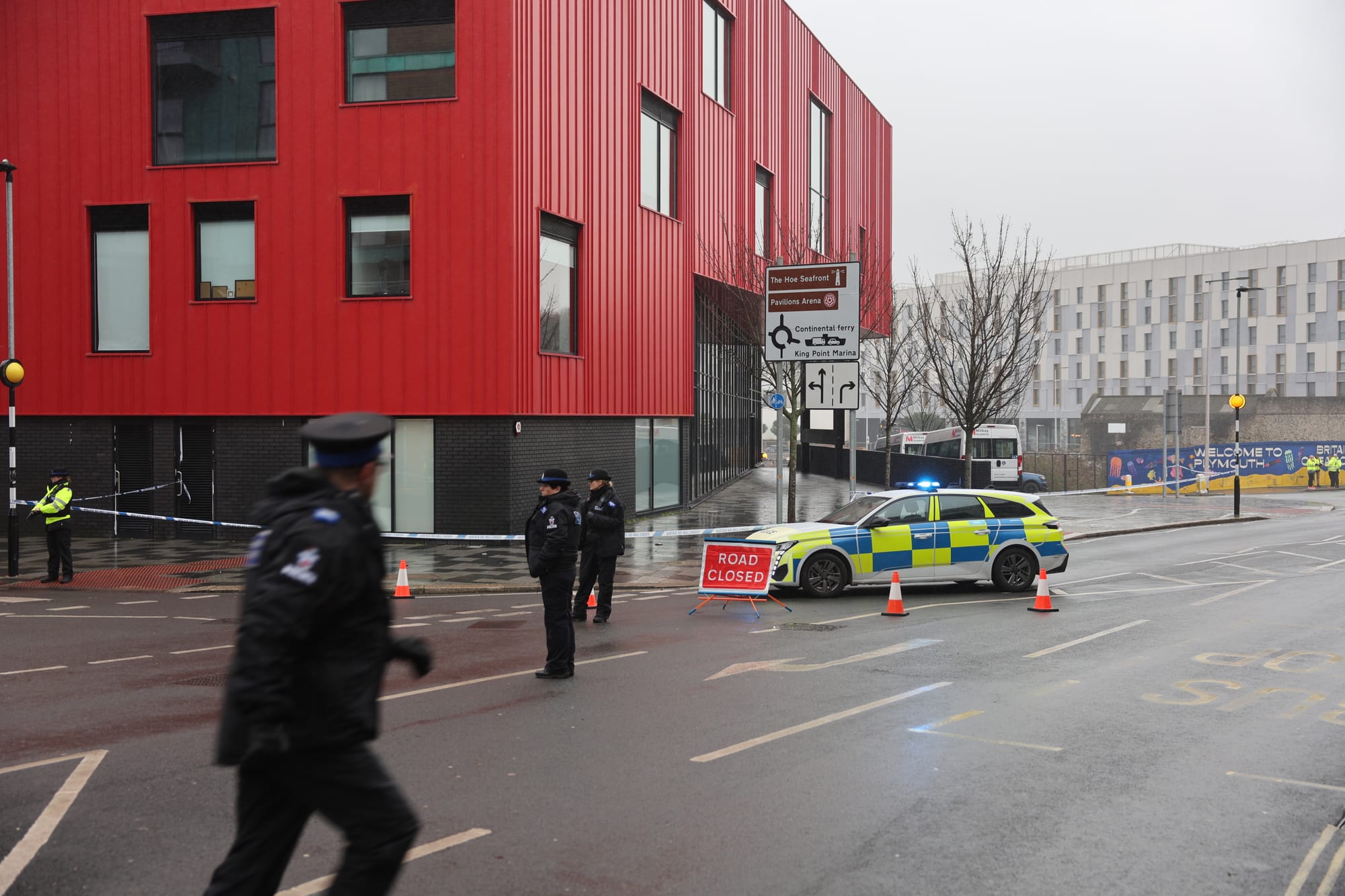
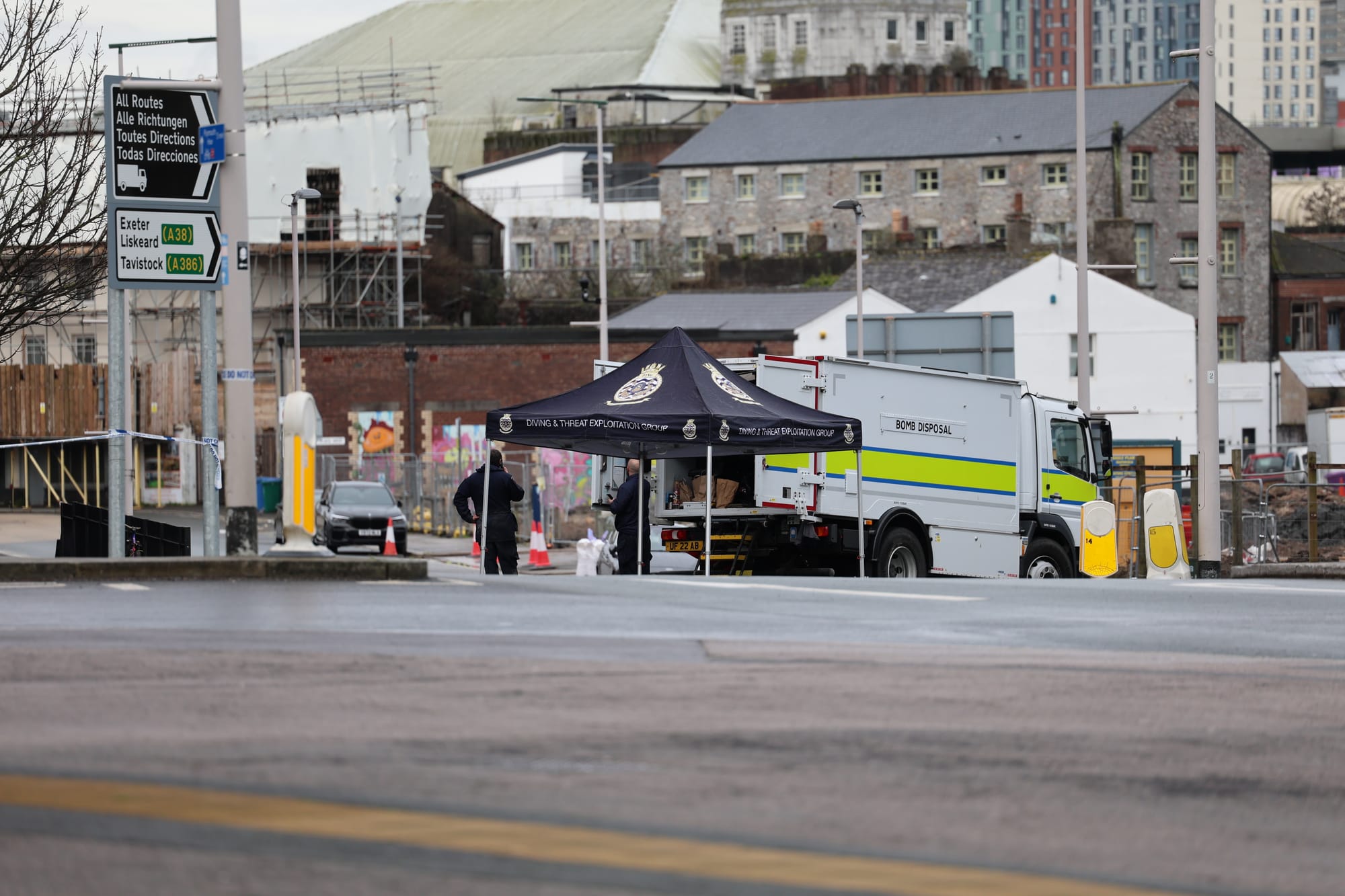
By 1pm, Royal Navy bomb disposal experts from Bravo Squadron, Bravo Diving Unit 1, based at HMNB Devonport, arrived at the scene.
It was their job to assess the device, determine the safest route to make it safe and plan the removal operation.
By 3pm on the same day, a major incident was declared after the cordon was extended to 400 metres, and the evacuation of a number of residents.
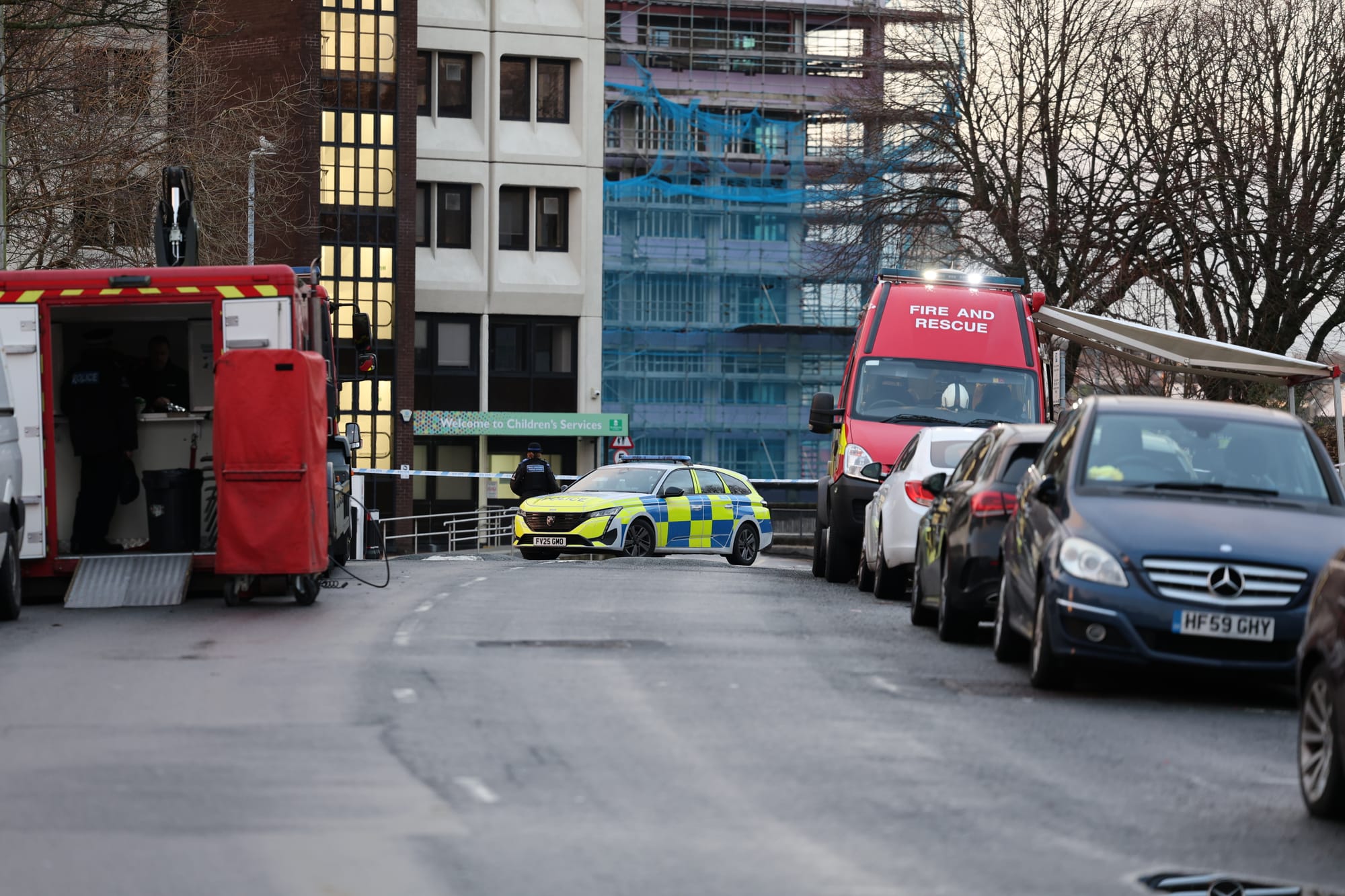
A 100 metre firm cordon remained in place close to the construction site, while police also introduced a wider 400 metre “line of sight cordon”.
The line of sight cordon meant that a small number of residential properties along Millbay Road, assessed as being in a direct line of sight of the device, were evacuated.
As darkness and torrential rain arrived, work was paused overnight, but the cordons remained in place as specialist teams prepared for the next phase of their assessment.
On Thursday, 15 January, attention across the South West was drawn to the discovery of a “much larger” unexploded bomb found in Exmouth.
Royal Navy bomb disposal experts in Plymouth were awaiting specialist X-ray equipment to help them determine the safest way to make the bomb safe.
The standard type of X-ray equipment used by MOD EOD teams could not produce a large enough image to cover the whole of the bomb.
Without a complete image, a thorough assessment of the internal components could not take place.
To solve that, Trimax Technologies Limited, a private firm with technology that allows the surface area of ordnance X-ray images to be expanded, was brought to Plymouth and Exmouth by the Ministry of Defence.
Due to Trimax being based in Berkshire, the larger device in Exmouth was accessed first as it was closer, before this team then travelled on to Plymouth.
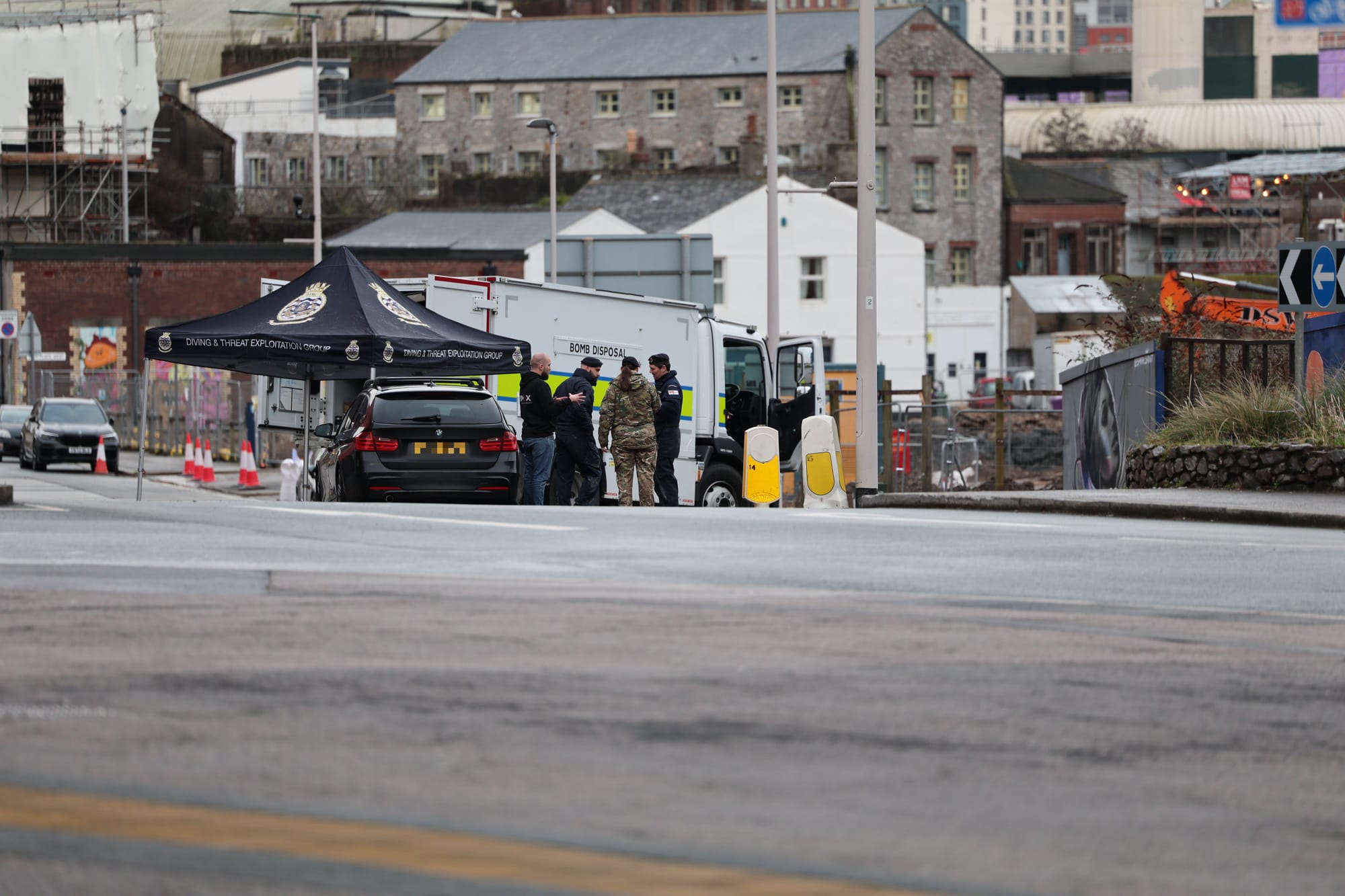
At 4.15pm, the specialist X-ray equipment arrived in Plymouth alongside Army bomb disposal experts from 11 EOD and Search Regiment, Royal Logistic Corps.
With enhanced imaging now available and a clearer understanding of the device, plans moved forward for removal by water, and Royal Navy and Army bomb disposal experts began carefully planning the operation.
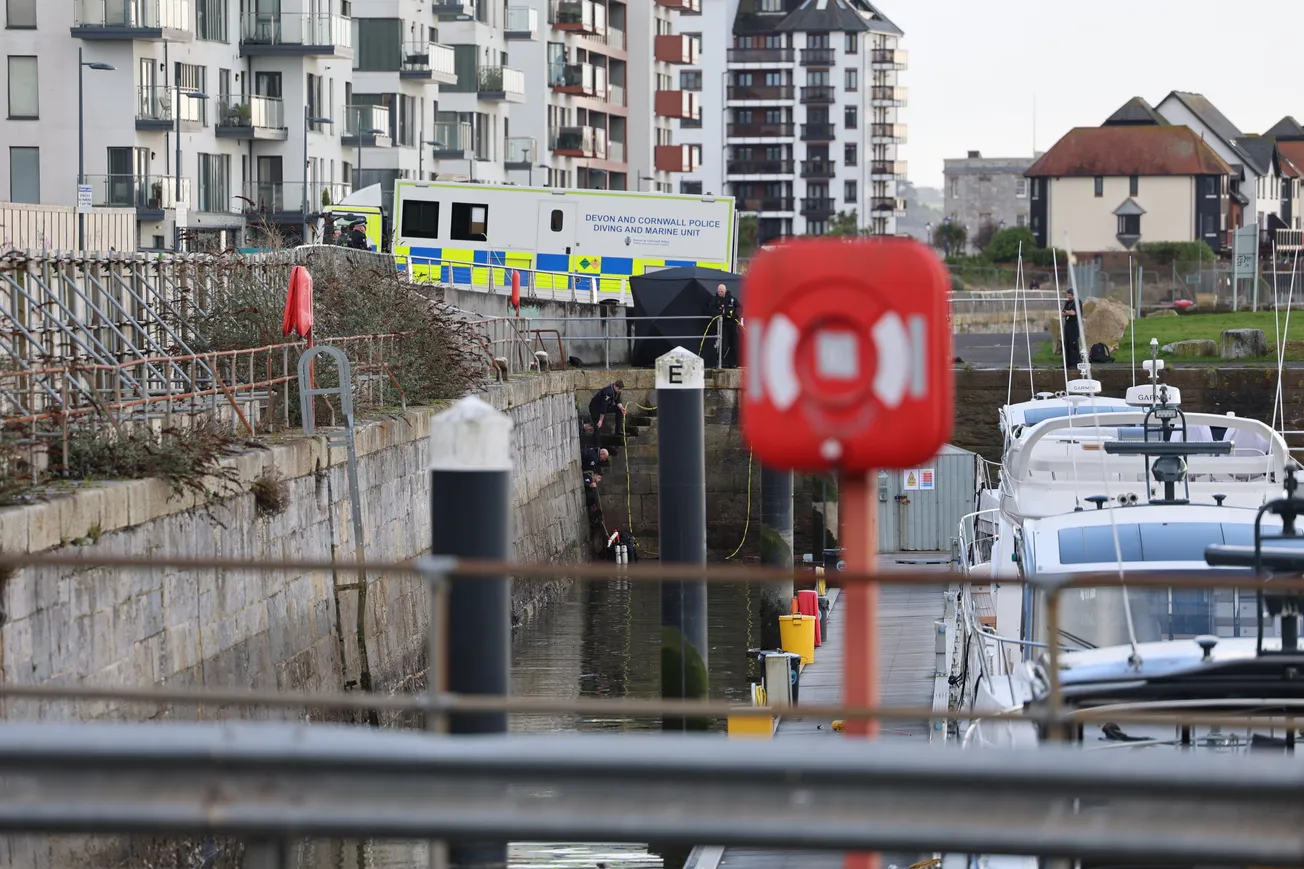
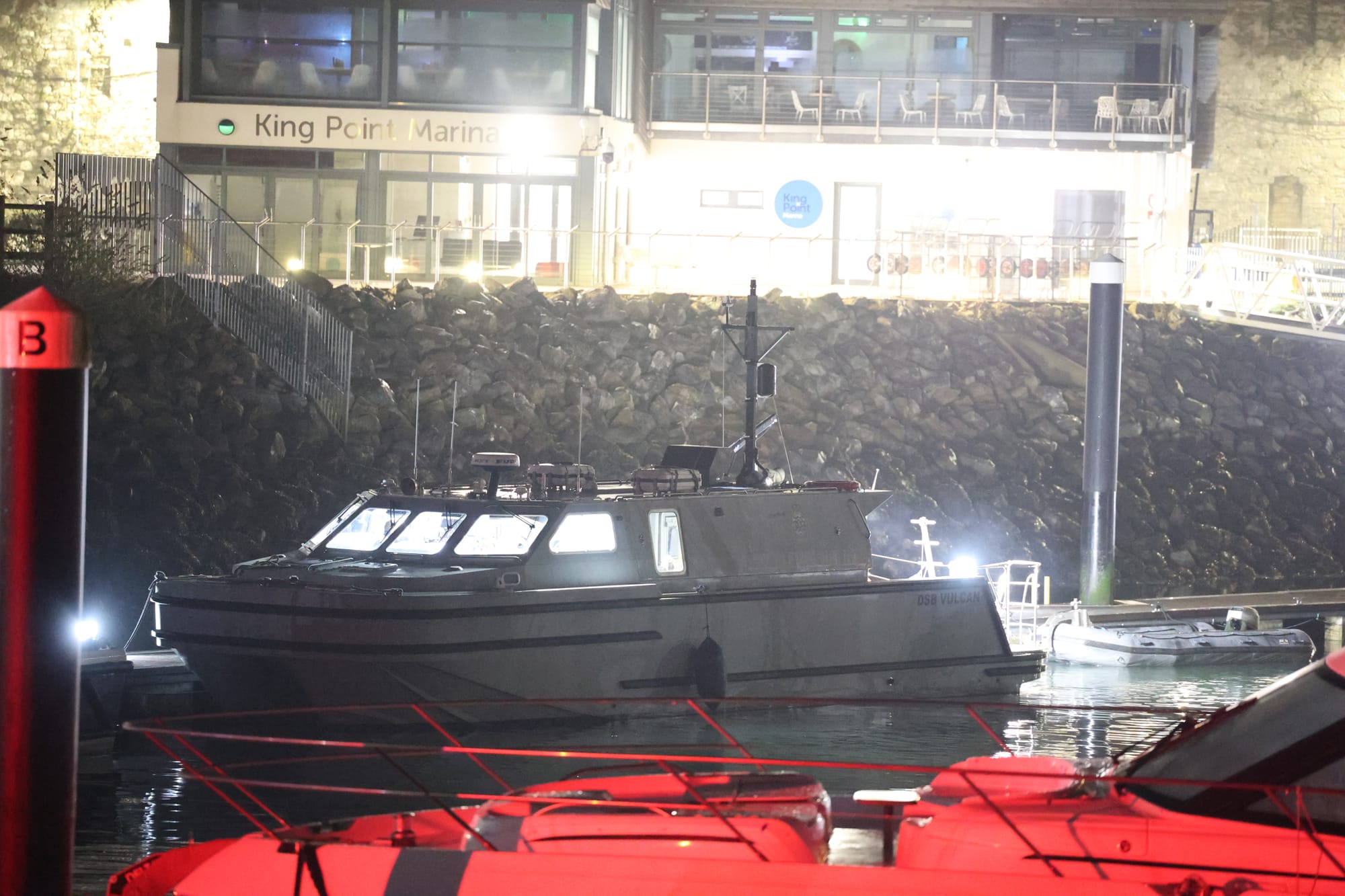
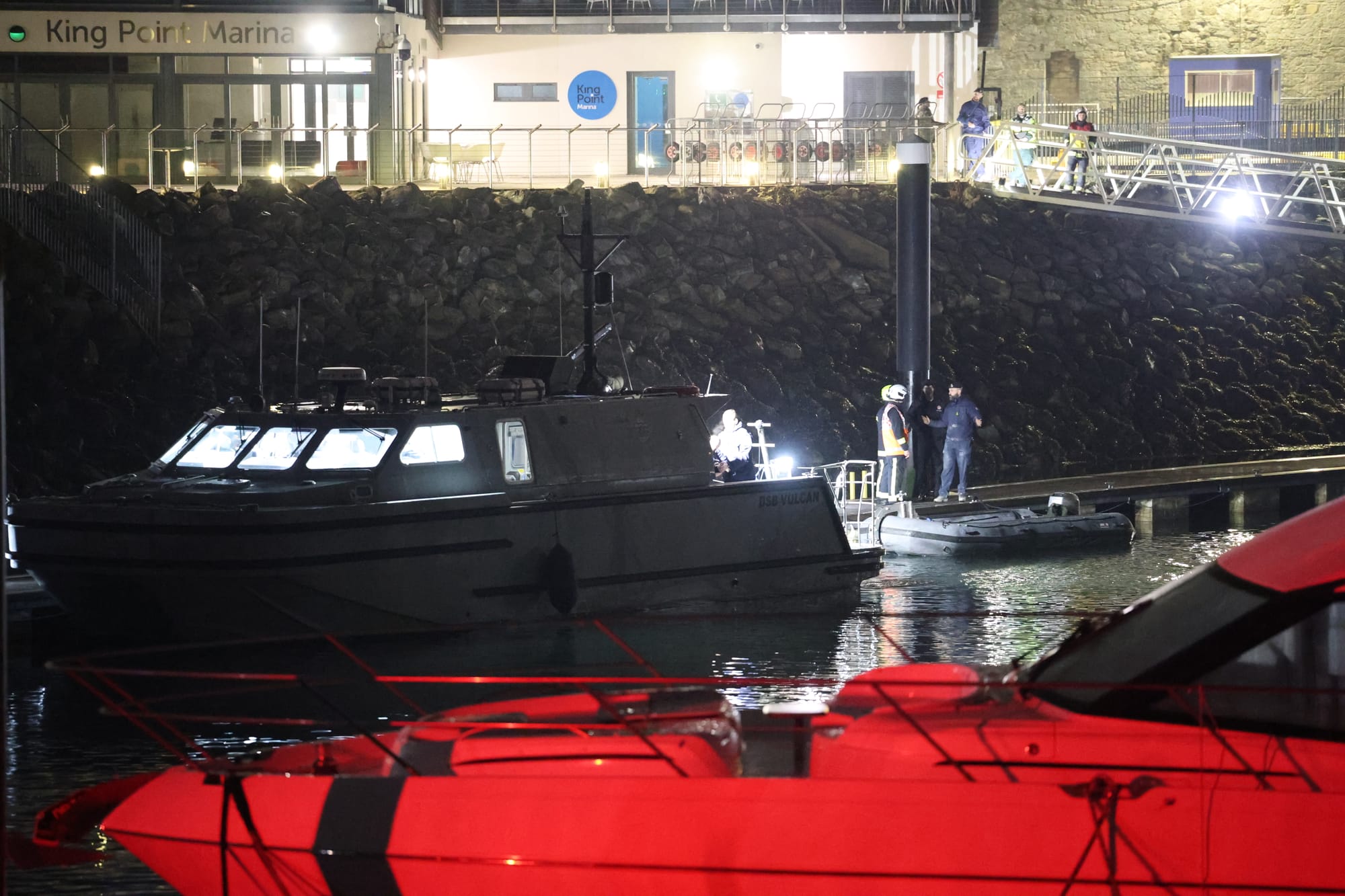
Just after 6pm, the Royal Navy dive support boat Vulcan arrived at King Point Marina, ready to lead the bomb out to sea.
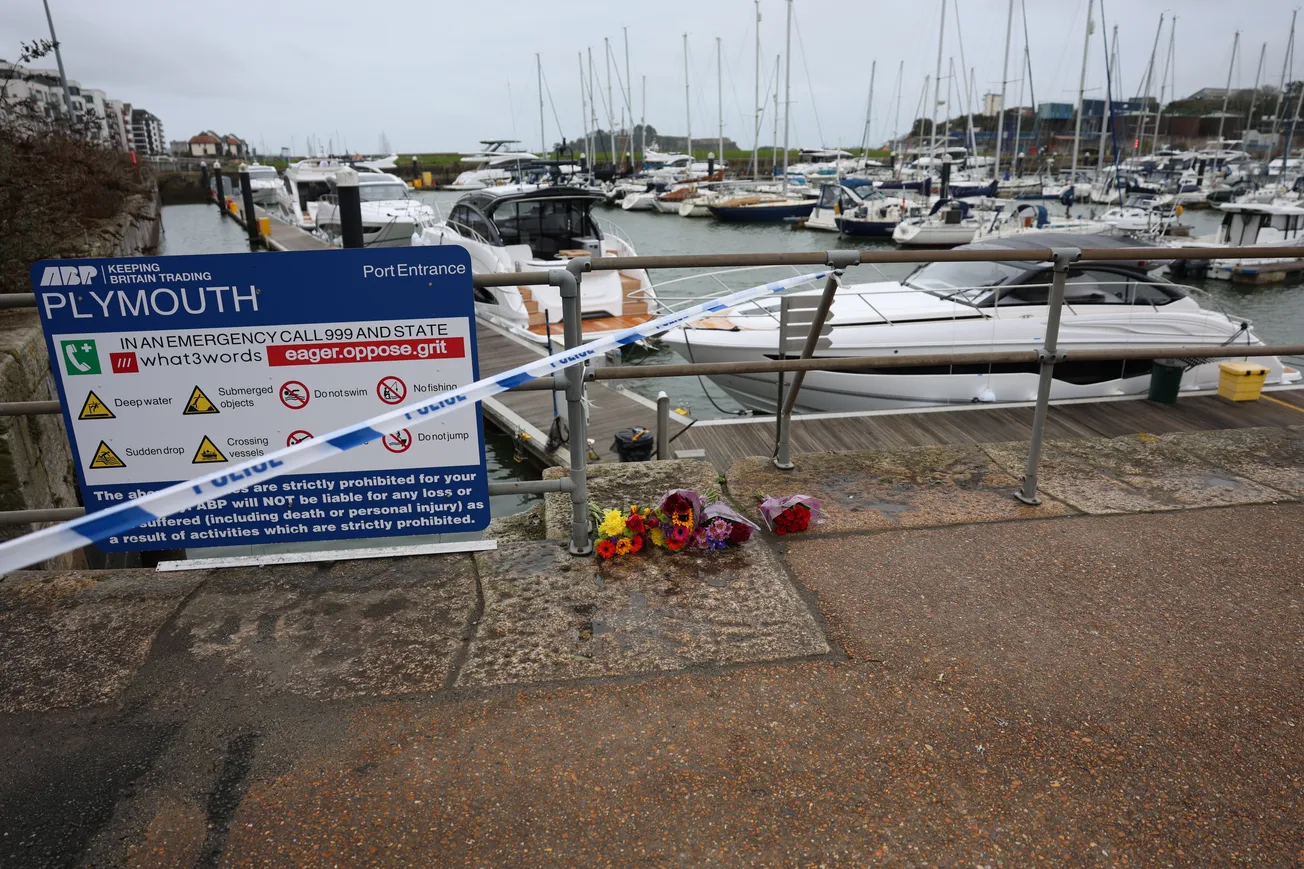
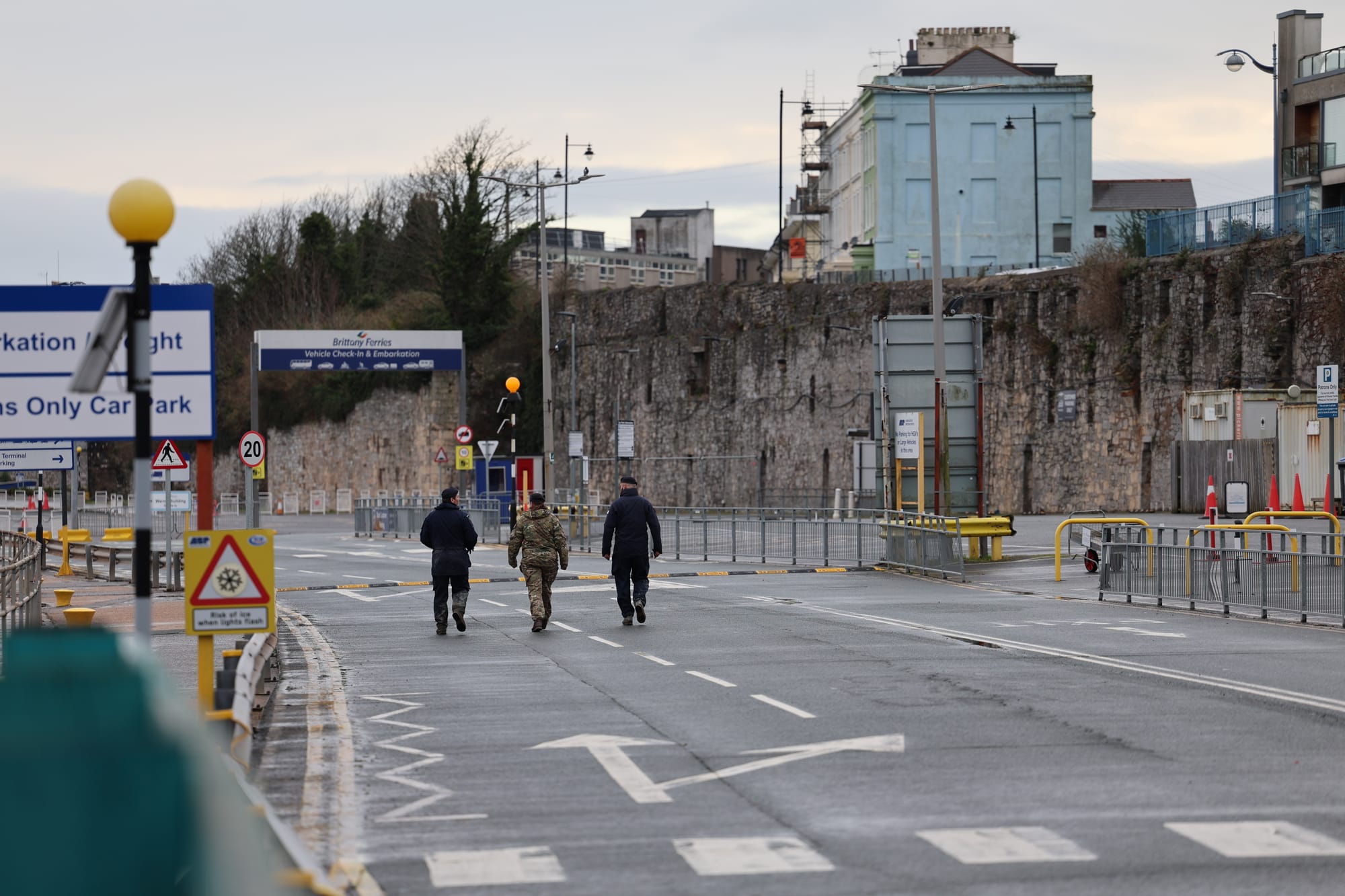
At 7pm, the Port of Plymouth was closed under a direction issued by the King’s Harbour Master, Plymouth.
Emergency announcements were made, with mariners and members of the public ordered not to go into the water until further notice.
The port reopened by 8pm, with the movement of the bomb proposed until high tide. At 11pm, a further cordon and evacuation were put in place.
Around 800 residents living close to the removal route of the unexploded wartime device were asked to leave their homes as soon as possible, as a temporary cordon was established to allow the device to be moved safely by road.
Over the past 24 hours, armed forces bomb disposal specialists had been assessing the device to determine the safest and least disruptive method of disposal.
During this time, firefighters from Devon and Somerset Fire and Rescue Service kept watch on the bomb.
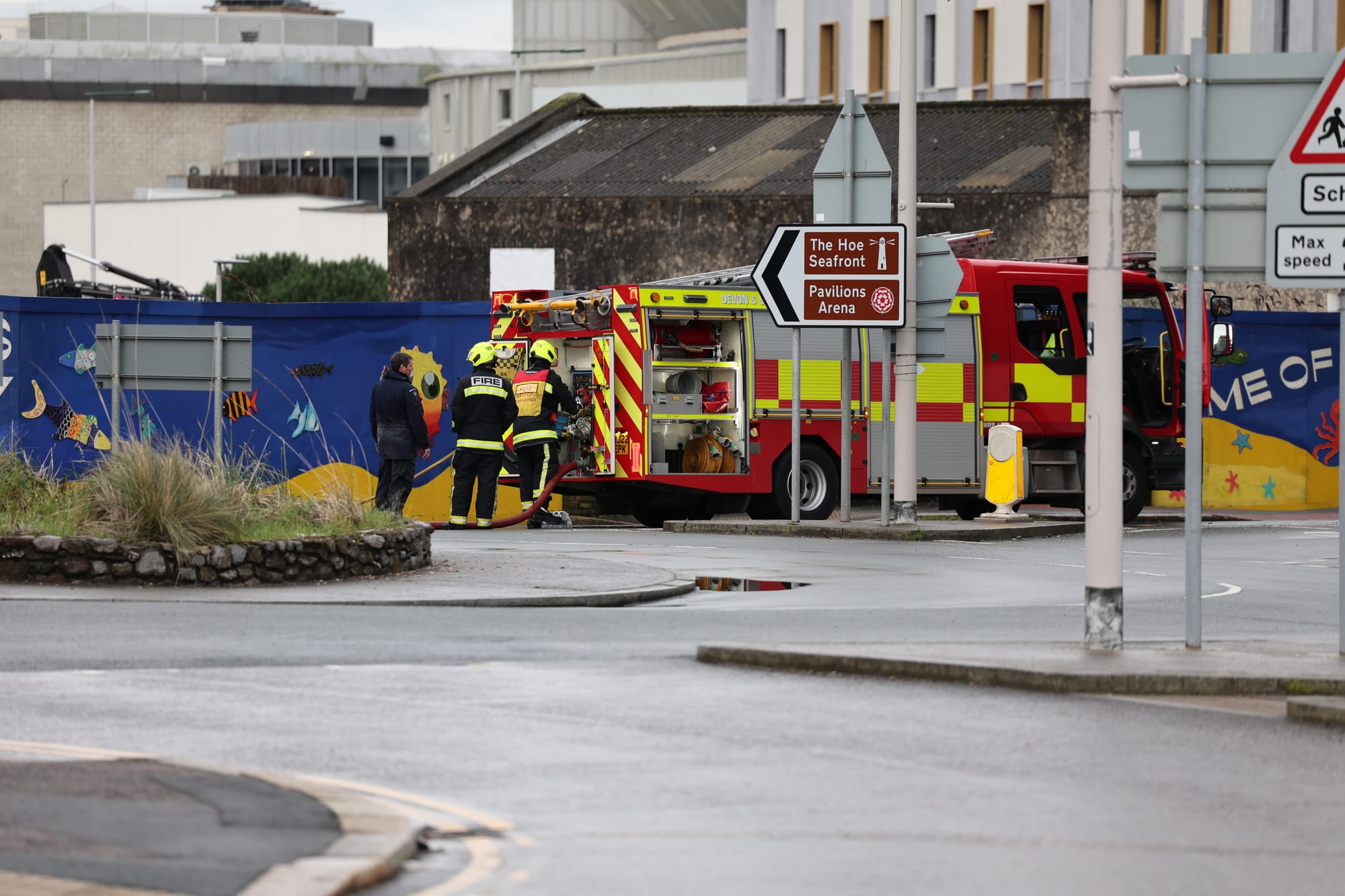
After considering all available options, it was determined that the safest and least impactful approach was to carefully transfer the device and transport it in a military convoy to King Point Marina, before towing it to sea for a controlled explosion.
Residents living within 150 metres of the convoy route were required to leave their homes. HM Coastguard assisted with the evacuation.
While the exact duration of the evacuation could not be confirmed, it was expected that the operation would be completed by 3am.
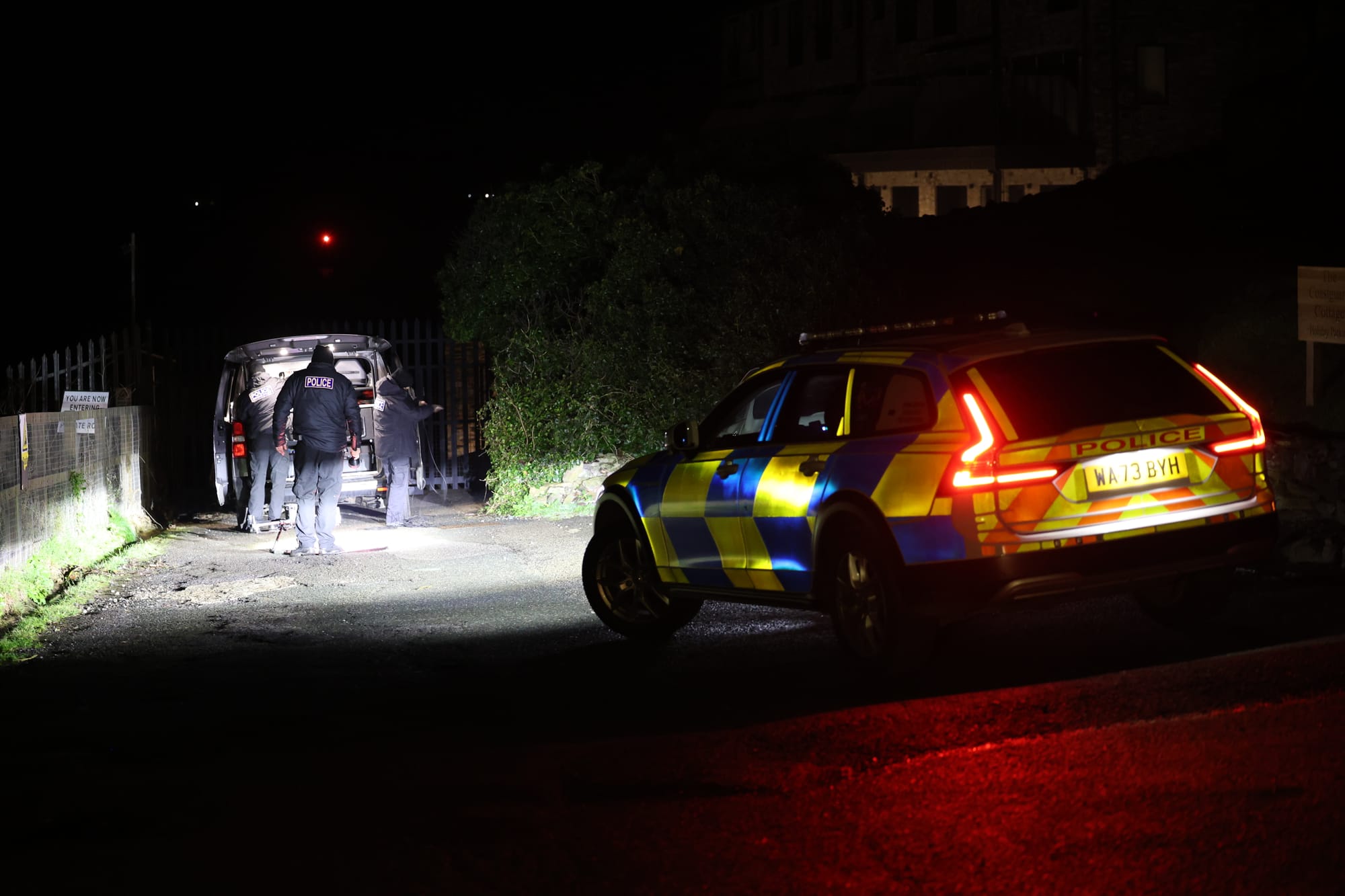
At 12.10am on Friday, 17 January, the airspace above Plymouth was closed to allow the Devon and Cornwall Police drone team to operate overhead, monitoring the bomb in transport.
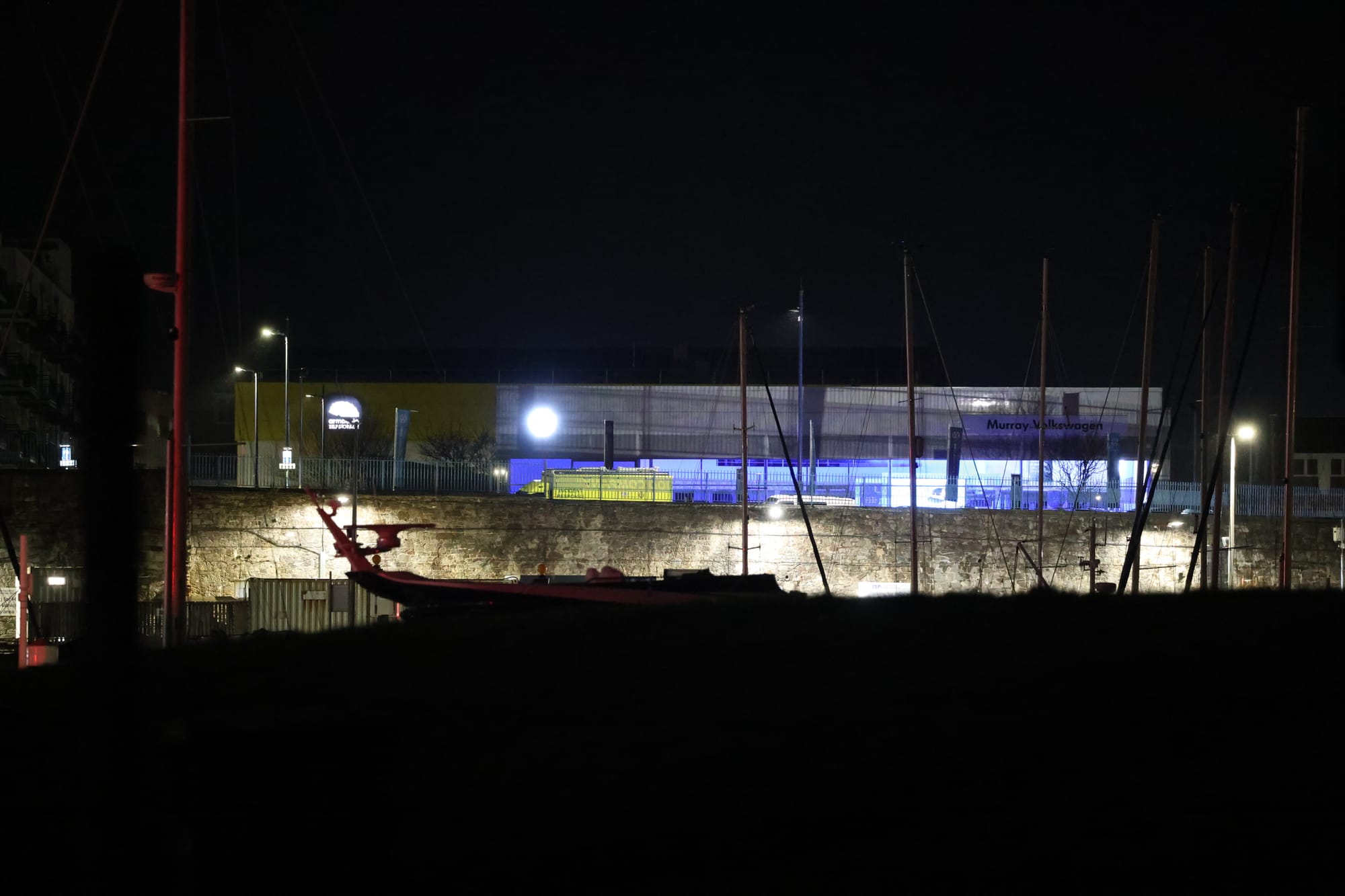
As a precaution, the South Western Ambulance Service deployed a hazardous area response team to Plymouth in case the worst happened during the transportation phase. They arrived at around 1.55am.
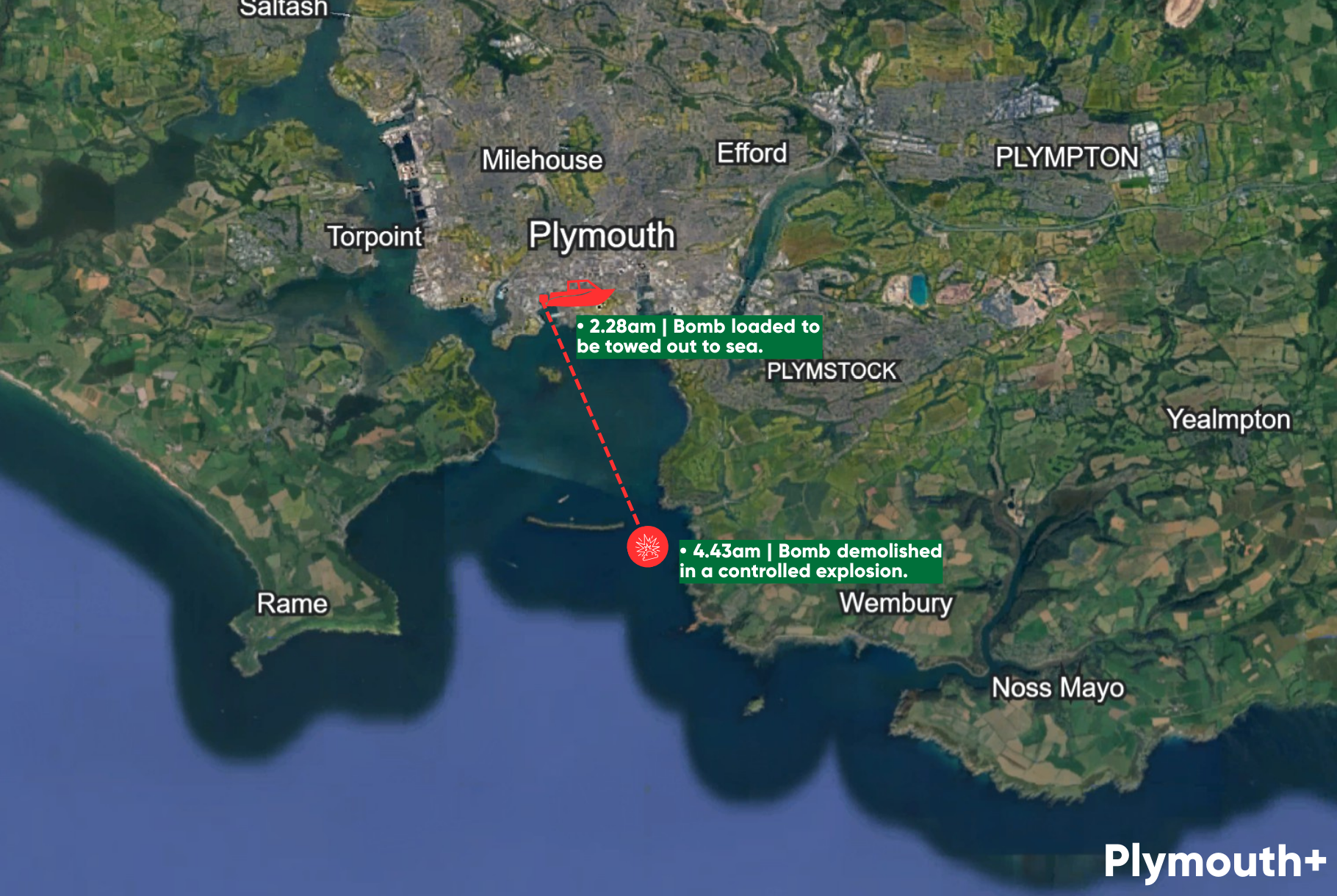
At 2.28am, the bomb was driven by a Royal Navy bomb disposal 4x4 to King Point Marina in Millbay, after being safely loaded into the back of it.
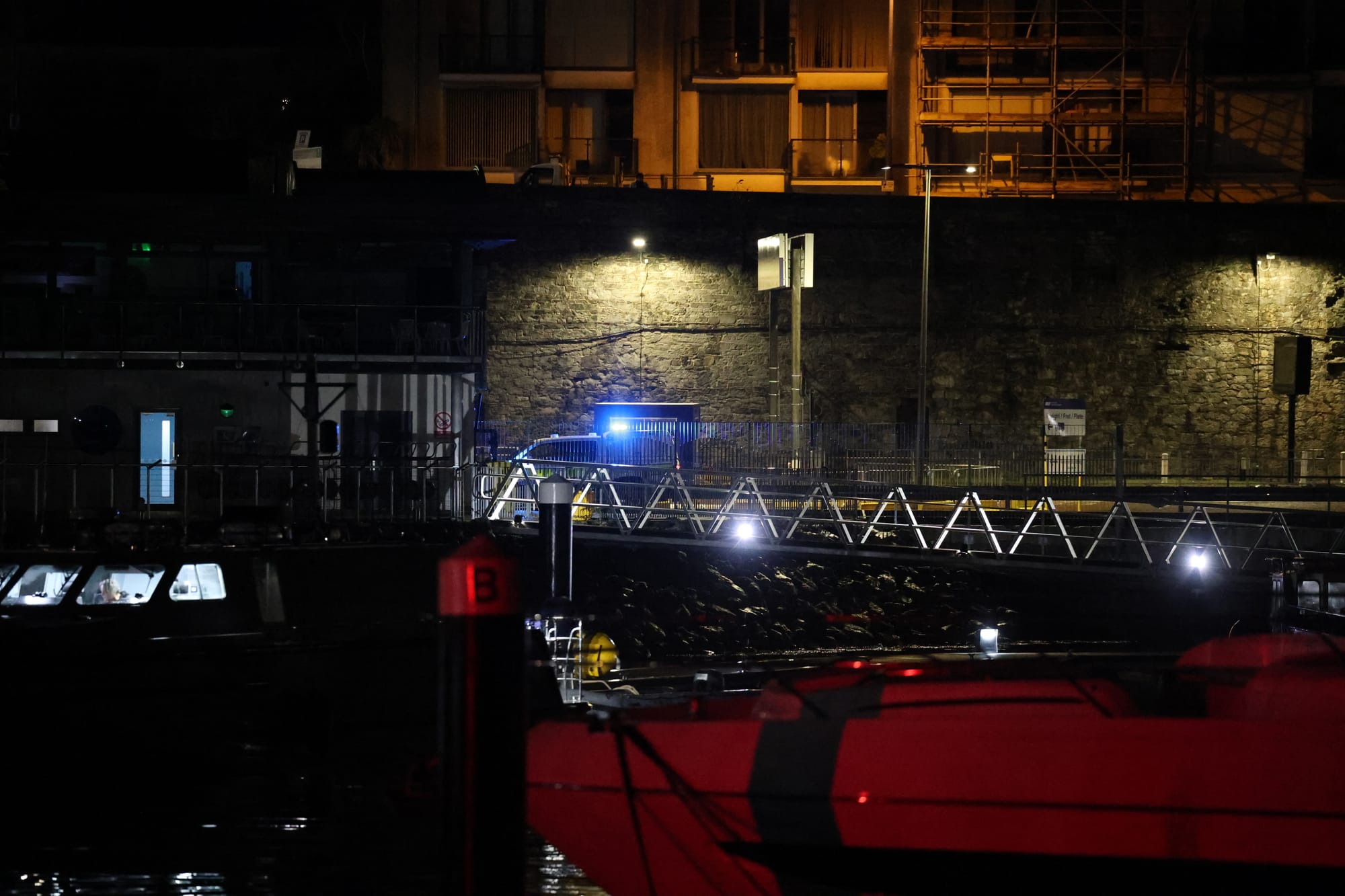
Royal Navy bomb disposal personnel then carefully lifted the device into position for it be taken out to sea.
At 2.30am, the Port of Plymouth closed again ahead of the device being brought out to sea.
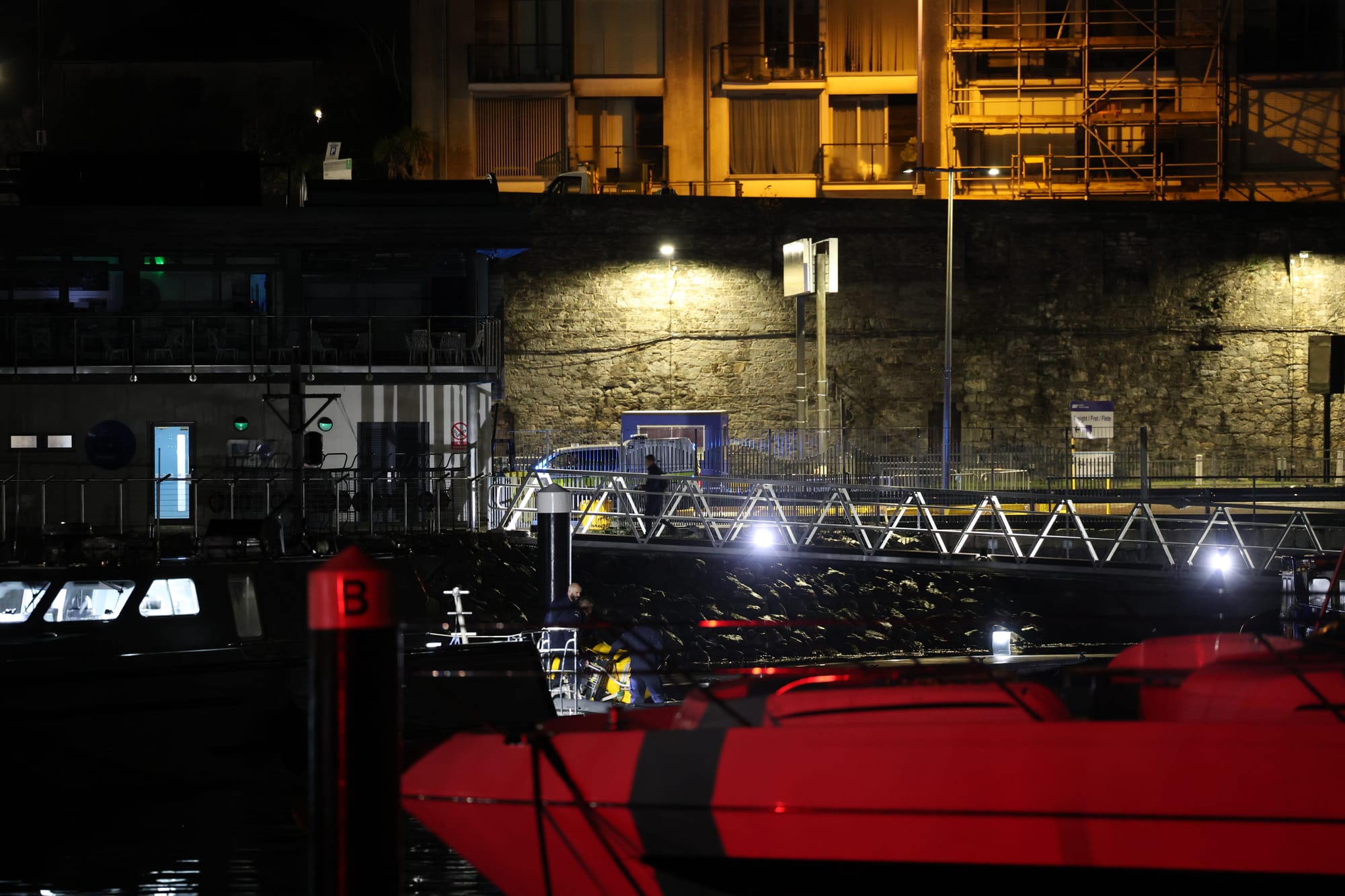
Once the bomb was securely loaded, Royal Navy dive support boat Vulcan and its rib departed King Point Marina at 2.31am, heading south of the breakwater towards the coast off Bovisand.
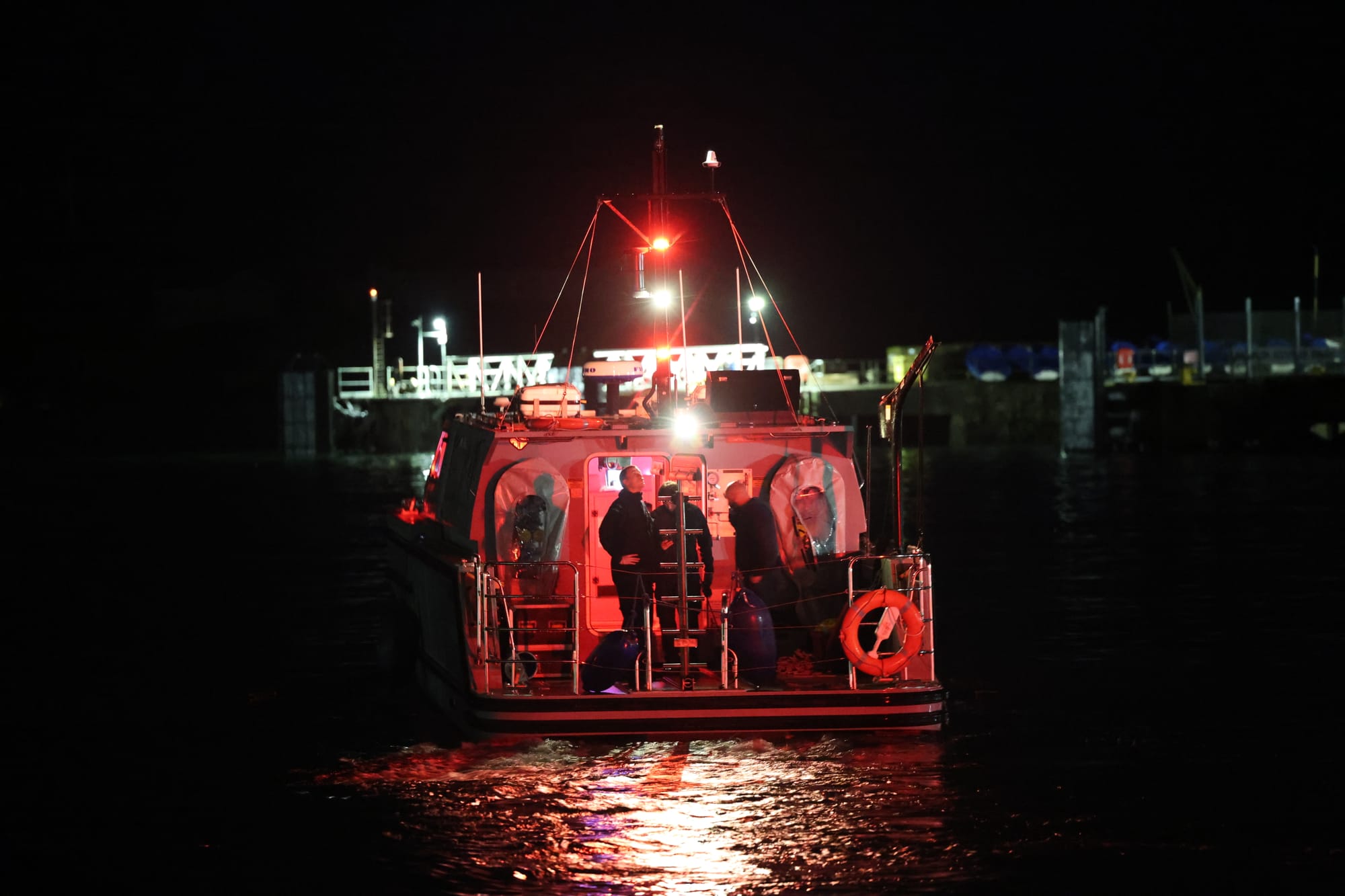
At 2.50am, people could return to their homes and cordons were lifted as the device was now in Plymouth Sound.
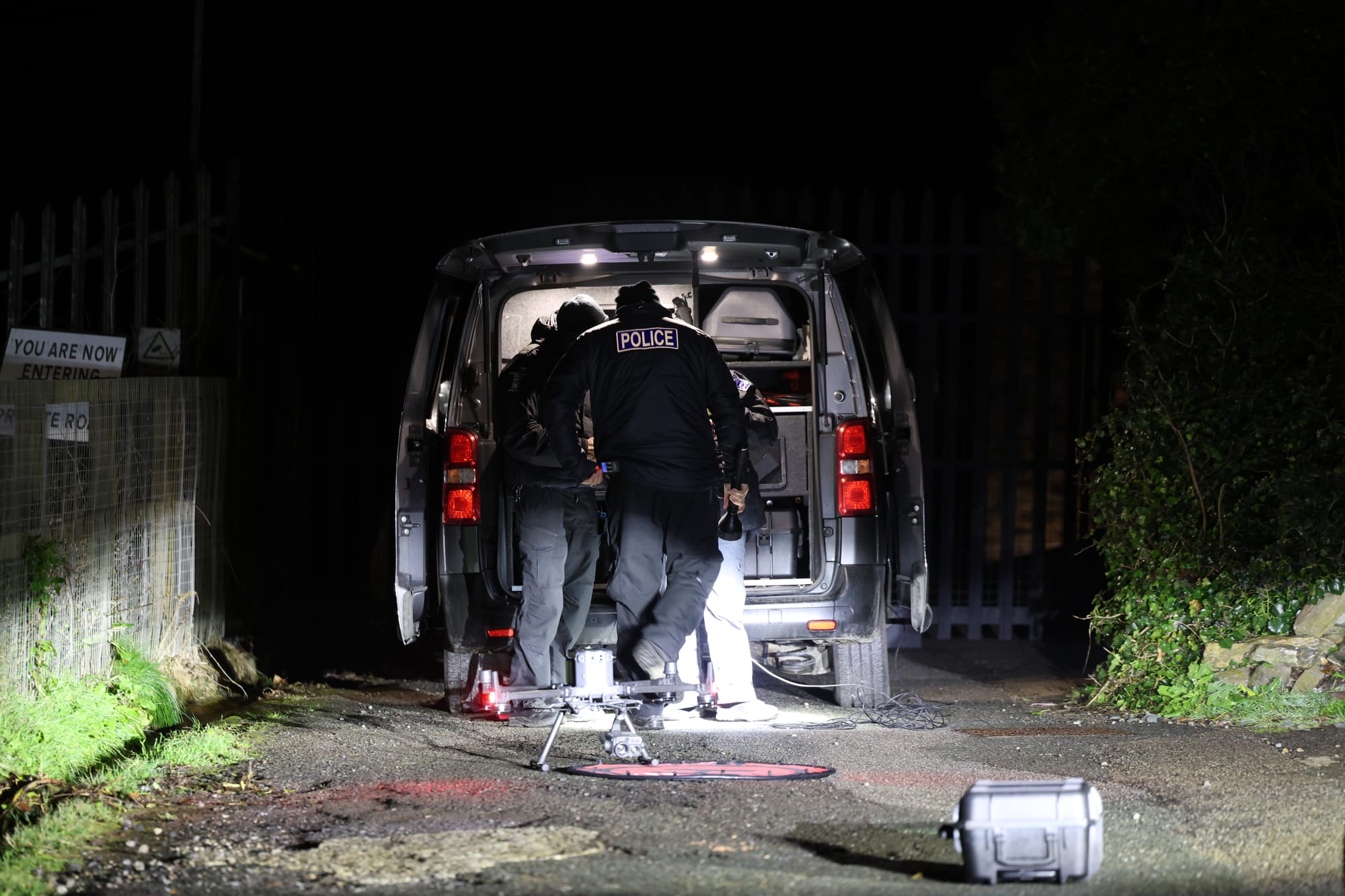
The police drone team then urgently repositioned from West Hoe to the Bovisand car park to keep an eye on the operation from above.
By 3.30am, the water convoy was in position south of the breakwater with the bomb ready for detonation, but conditions forced the convoy to retreat behind the breakwater until they improved.
By 4.30am, conditions had improved sufficiently for boats to return outside the breakwater. With explosive detonators now placed, the device was destroyed in a controlled explosion at 5.13am.
At 5.23am, “high order” was confirmed by the Royal Navy Bravo Squadron, meaning the bomb had been successfully demolished.
Water cordons were lifted, and the Port of Plymouth reopened, bringing the major incident that lasted days to a safe conclusion.
Sign up for free below to get notified of all the latest breaking news from Plymouth Plus.