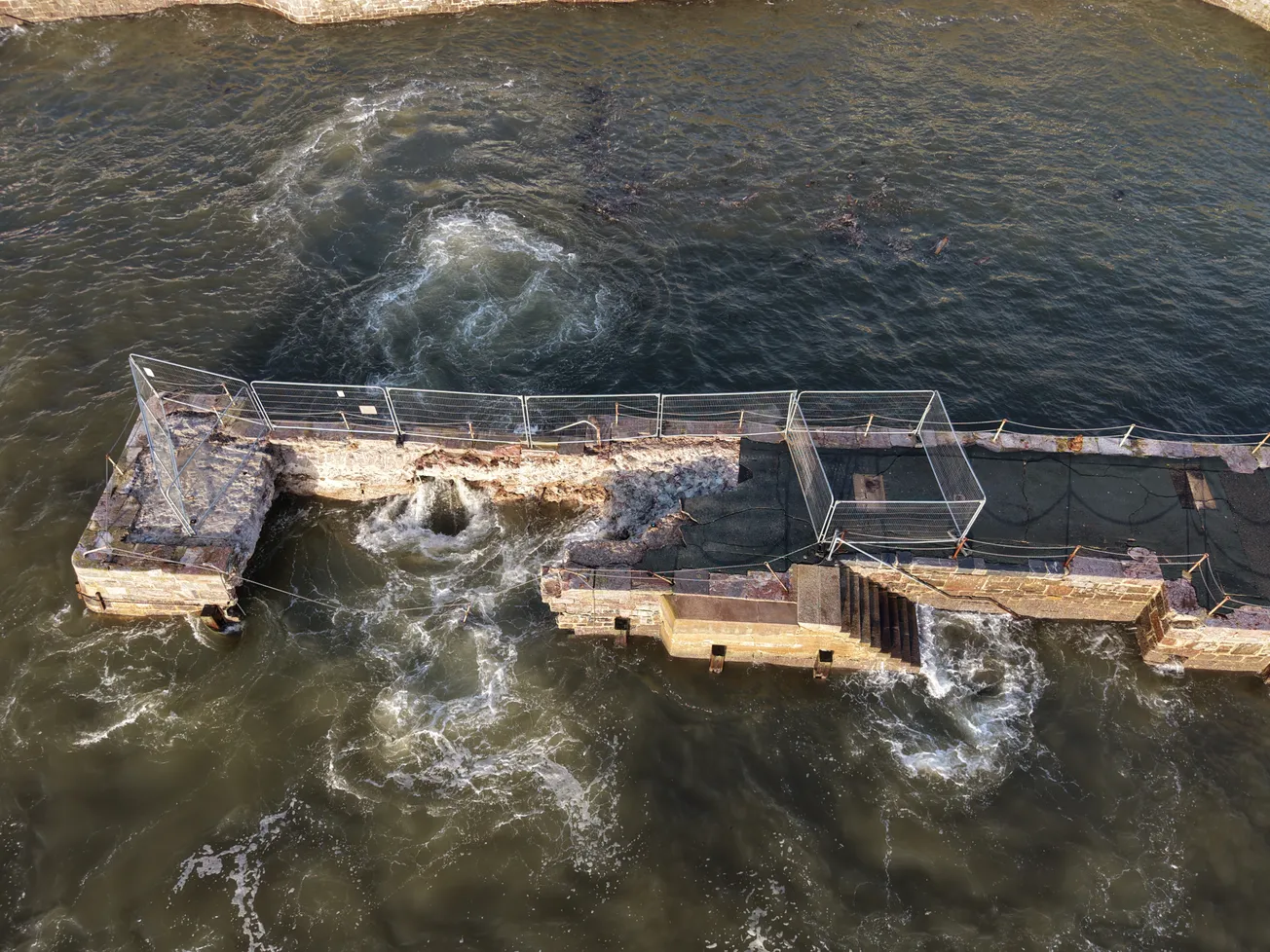
Plymouth City Council carried out works on the Grade II listed West Hoe Pier without listed building consent before the historic structure collapsed into the sea, Plymouth Plus can reveal.
Their admission raises serious legal concerns, as Historic England is clear that works to a listed building without consent can amount to a criminal offence.
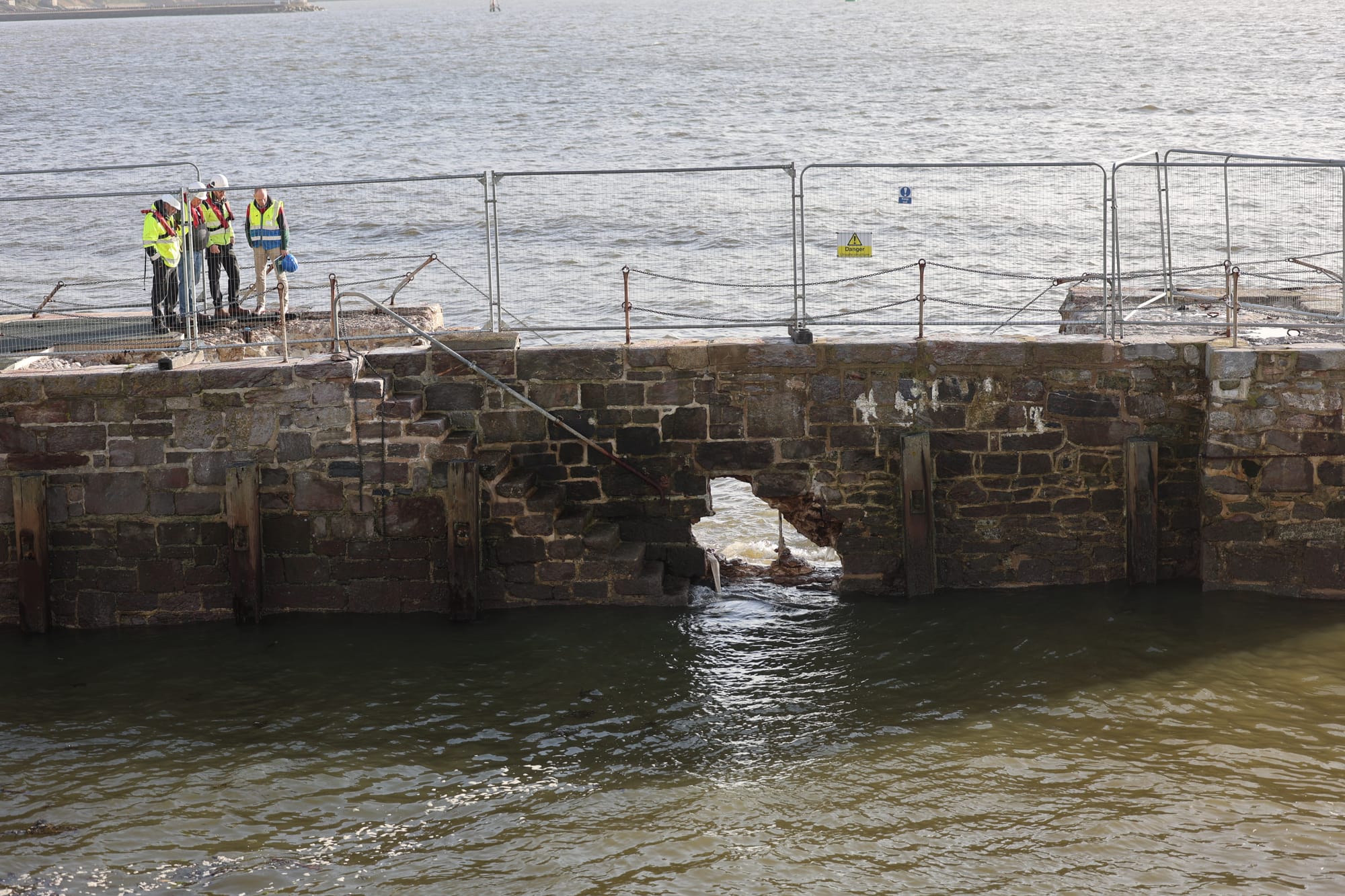
West Hoe Pier, which is more than 100 years old and sits at the heart of Plymouth’s historic waterfront, collapsed last week.
The collapse occurred in the exact section of the pier that had been opened up internally by council contractors in what they intended to be 'strengthening works'.
In the days that followed, public anger intensified, and residents accused the council of 'neglecting' the pier, which the council itself had previously acknowledged was "at risk of collapse".
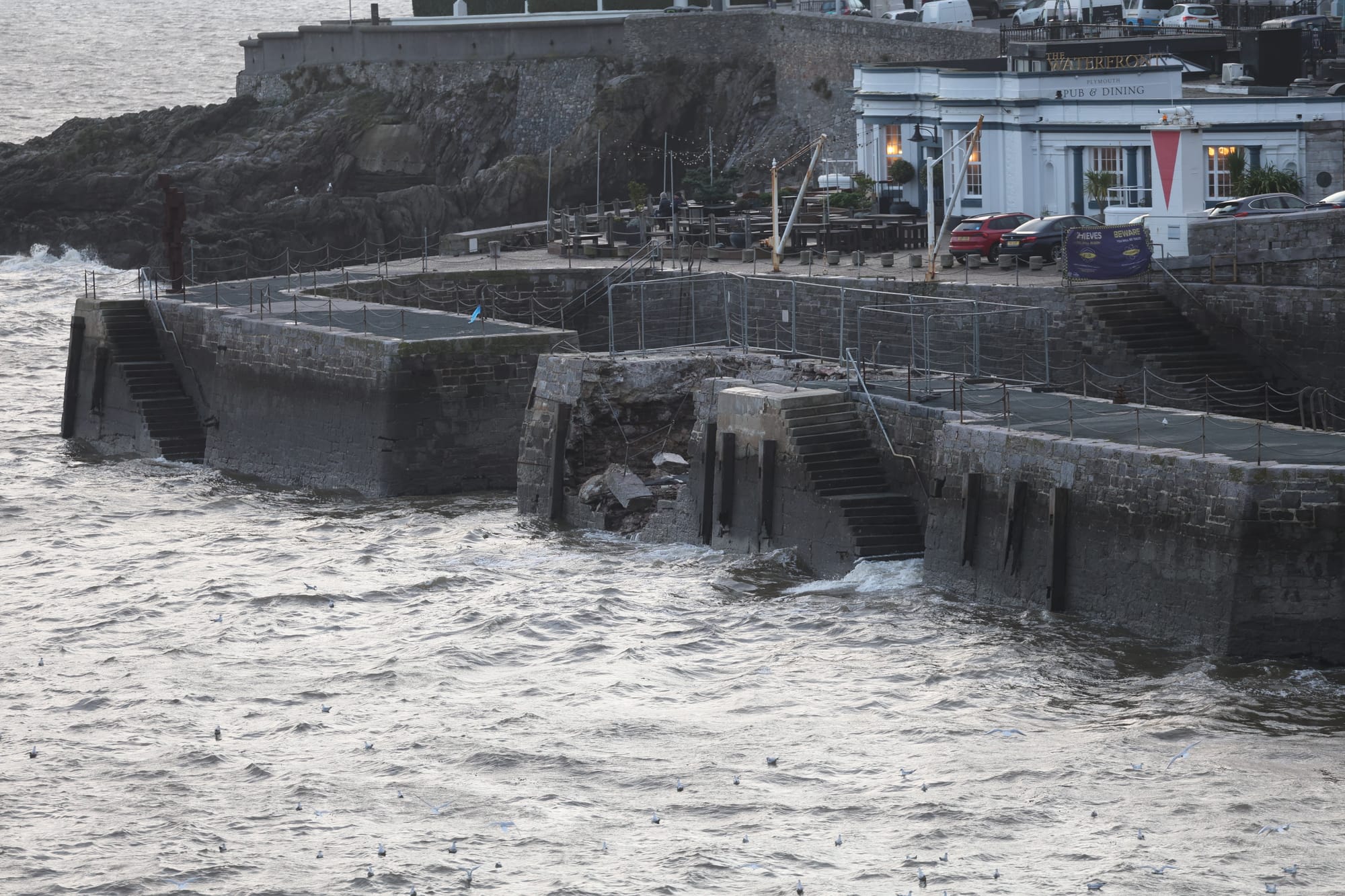
Many questioned why a historic marine structure had been opened up during peak storm season and left without final stabilising concrete overnight.
It has now emerged that these works were carried out without listed building consent.
Historic England’s own guidance states that carrying out unauthorised works to a listed building is a criminal offence, and anyone who does so can be prosecuted.
Despite this, Plymouth City Council has confirmed that the works went ahead without them applying for listed building consent.
It said that, because of "variations in records and the number of past interventions it was agreed that the first phase of work would be carried out without listed building consent".
They claimed that they had intended to complete what they described as an “investigative stage” before moving to phase two and submitting a listed building consent application.
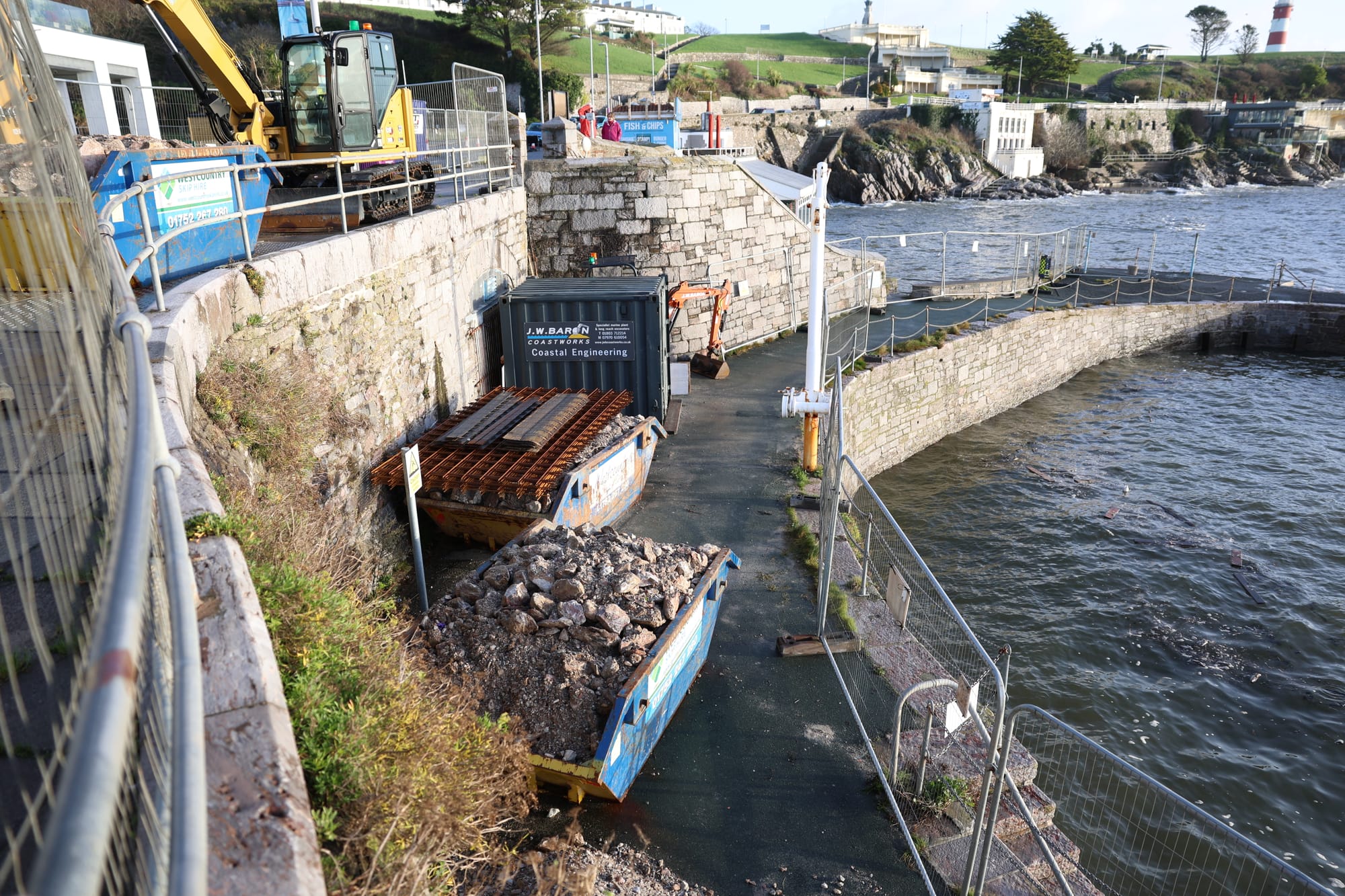
It comes after the council awarded the contract for the works to a firm that does not specialise in coastal engineering, which then subcontracted some elements of the work to a specialist contractor.
Ironically, a concrete pour to stabilise the pier had been scheduled for the same day it collapsed, following council works on the structure.
Labour councillor Chris Penberthy, cabinet member for assets, previously said the council delayed the works until September to “cause as little disruption as possible to businesses during their peak season”.
That claim was met with disbelief from residents, who pointed out the pier had already been closed to the public throughout the summer and that major works were carried out elsewhere on Plymouth Hoe, including at Tinside Lido.
Following the collapse of West Hoe Pier, marine engineers were sent to assess the damage and advise on repair options.
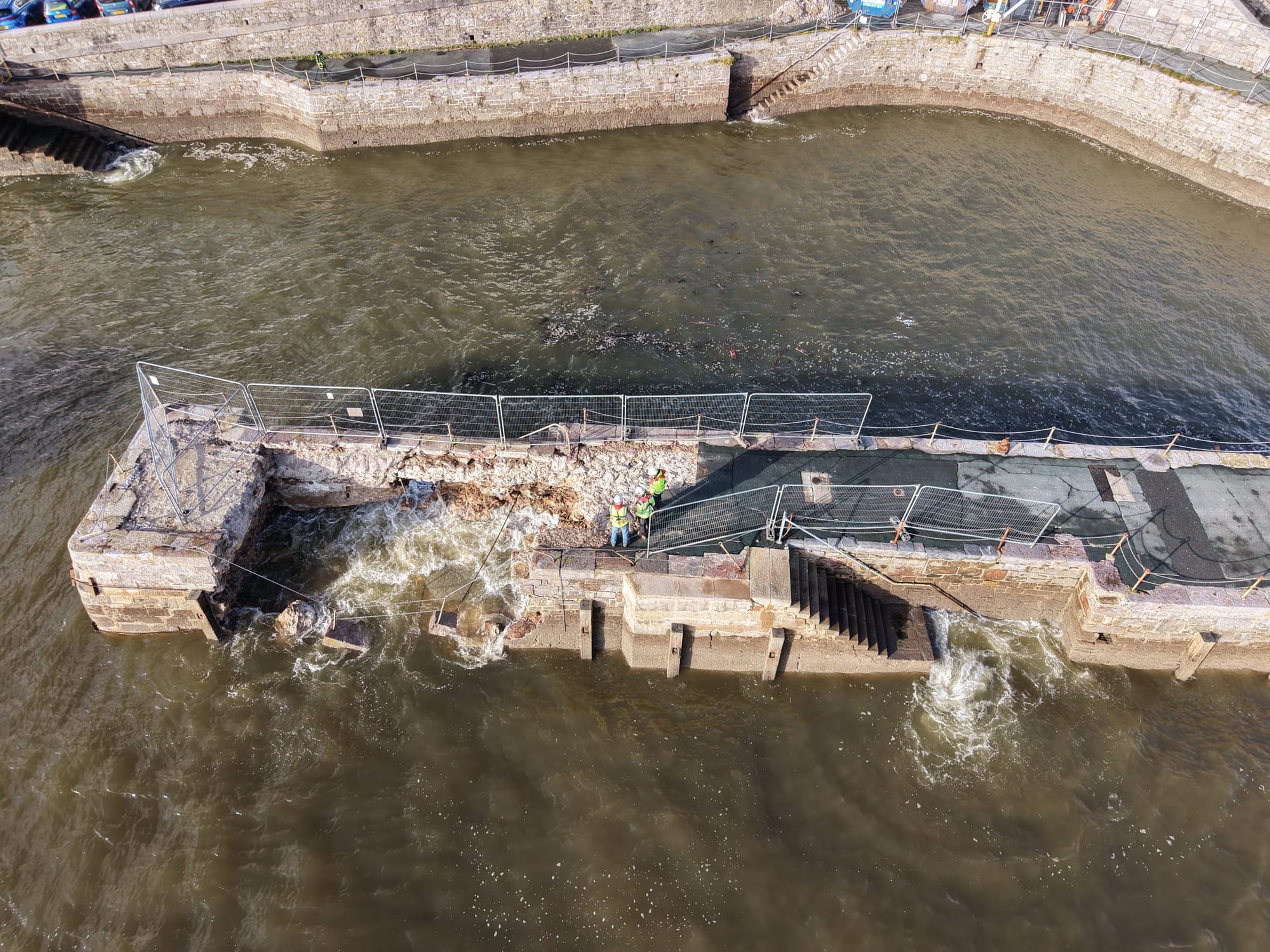
The council said its first priority would be to “put in place additional safety measures” and warned that the works and planning would be “dynamic for the next few weeks”, shaped by tides and weather.
They also confirmed that they will retrieve stone already washed into the sea and reuse it in their repair, a move that has sparked fresh concern amongst local heritage observers.
Materials submerged in salt water can suffer accelerated deterioration, particularly when reintroduced into historic marine structures already weakened by age and repeated storm exposure.
A spokesperson for Plymouth City Council said in full:
"The contractors and surveyors met with heritage officers earlier this year to discuss the proposals for the investigation / strengthening works.
"Due to the variations in records and the number of past interventions it was agreed that the first phase of work would be carried out without listed building consent and the information gleaned would provide more detailed information about the exact nature of the work needed which would then be submitted for consent.
"The intention was to complete this investigative stage and before phase 2 to make a listed building consent application with the exact nature of the works.
"In this initial phase we found the pier head is supported on piles with a cast concrete and grout head. However, we found no record of this when we searched past works.
"We were aware that the grout used previously had reacted to salt water and the grout in the section between the pier head and first set of steps had largely settled in the bottom half of the pier.
"Assuming that the grout has reacted elsewhere in the same manner, we believe more piles will be needed, this will need to be confirmed before we apply for listed building consent.
"The full design will be procured once the mid-section is complete, so we know how this will work structurally as it may affect the phase 2 design."
Sign up for free below to get notified of all the latest breaking news from Plymouth Plus.