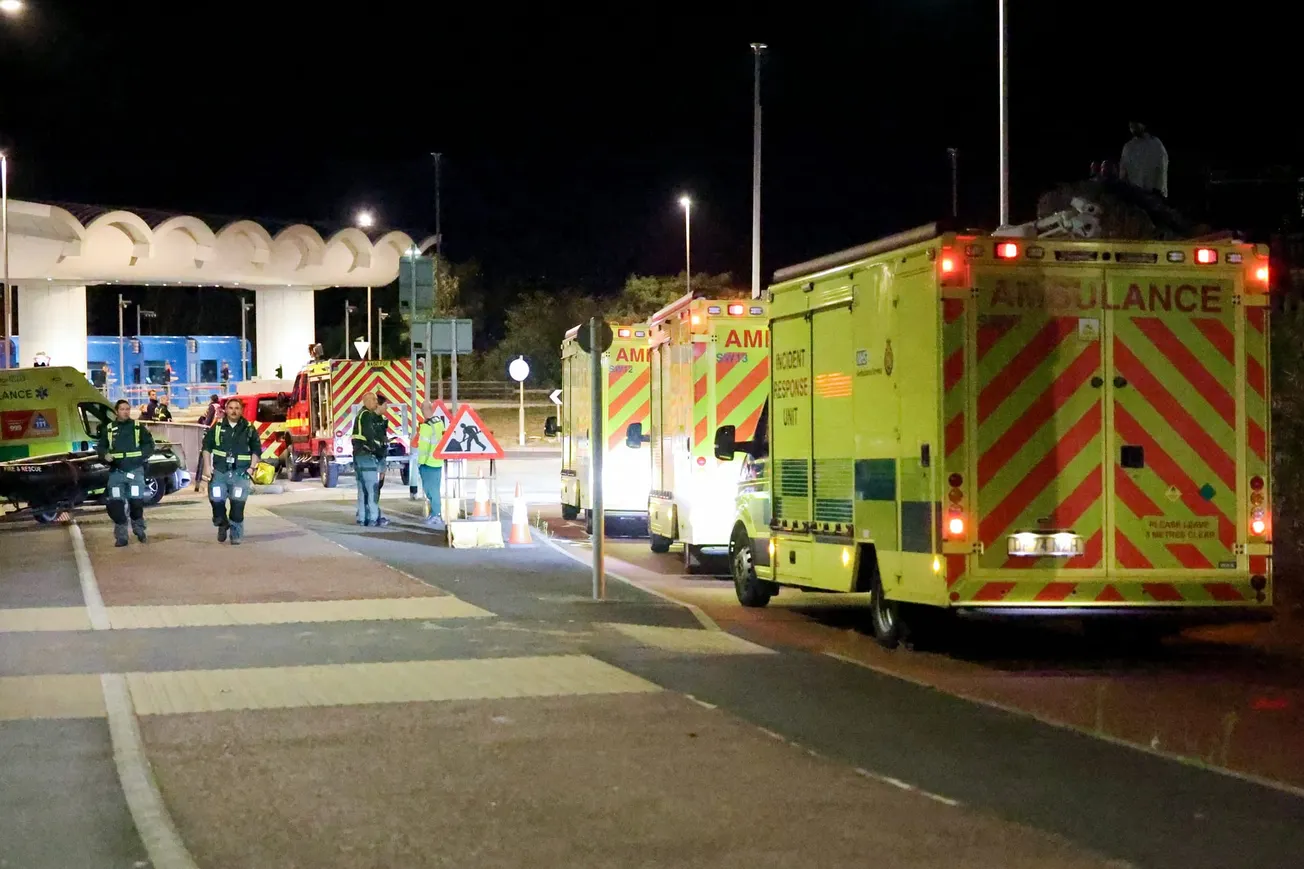
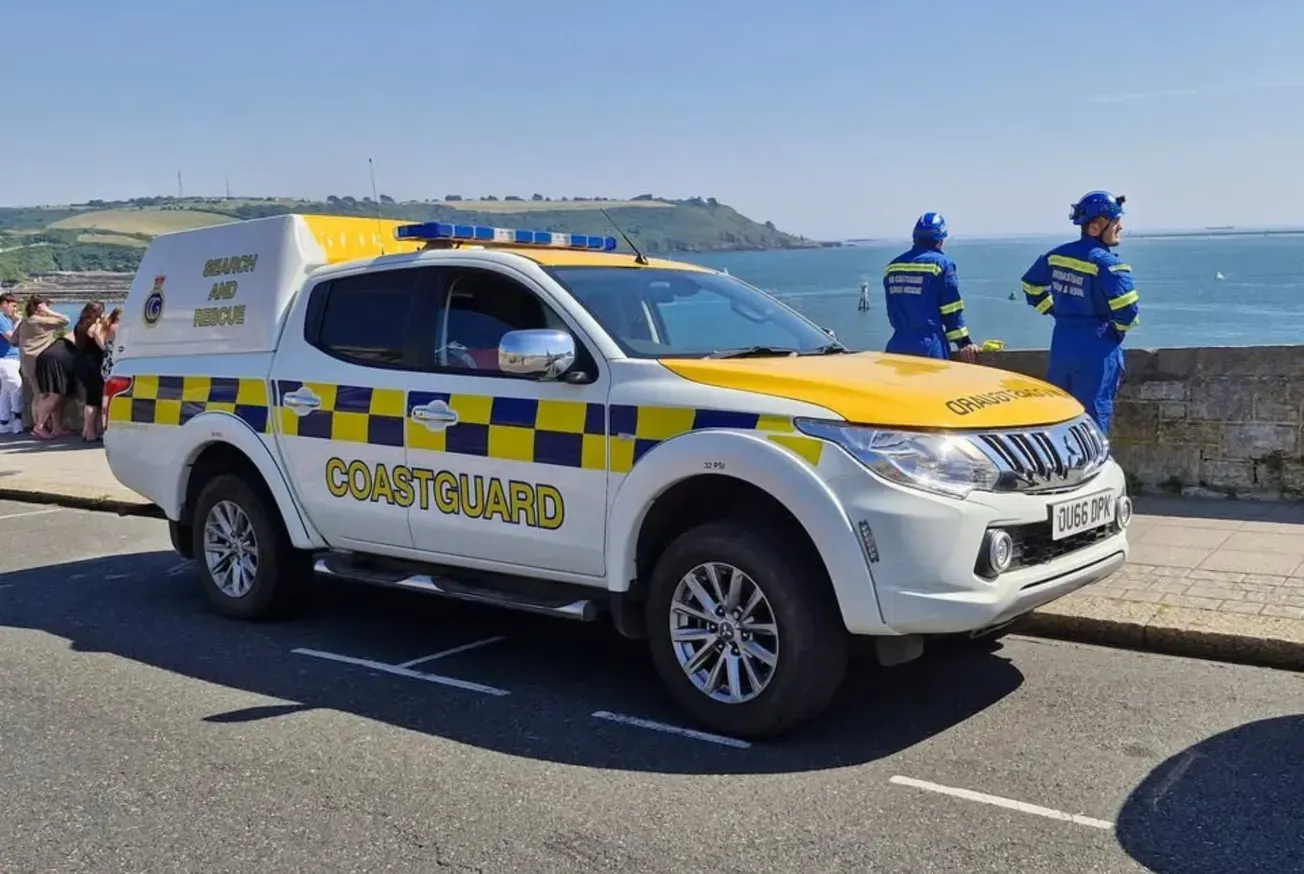
Lives could be put at risk as the government wants to stop paying the heroes who respond to coastal emergencies across the UK.
Although officially volunteers, HM Coastguard Rescue Officers (CROs) currently receive small remuneration while they respond to emergencies.
The hourly amount of £11 is not even equivalent to minimum wage, but the Labour government now wants to strip this payment entirely.
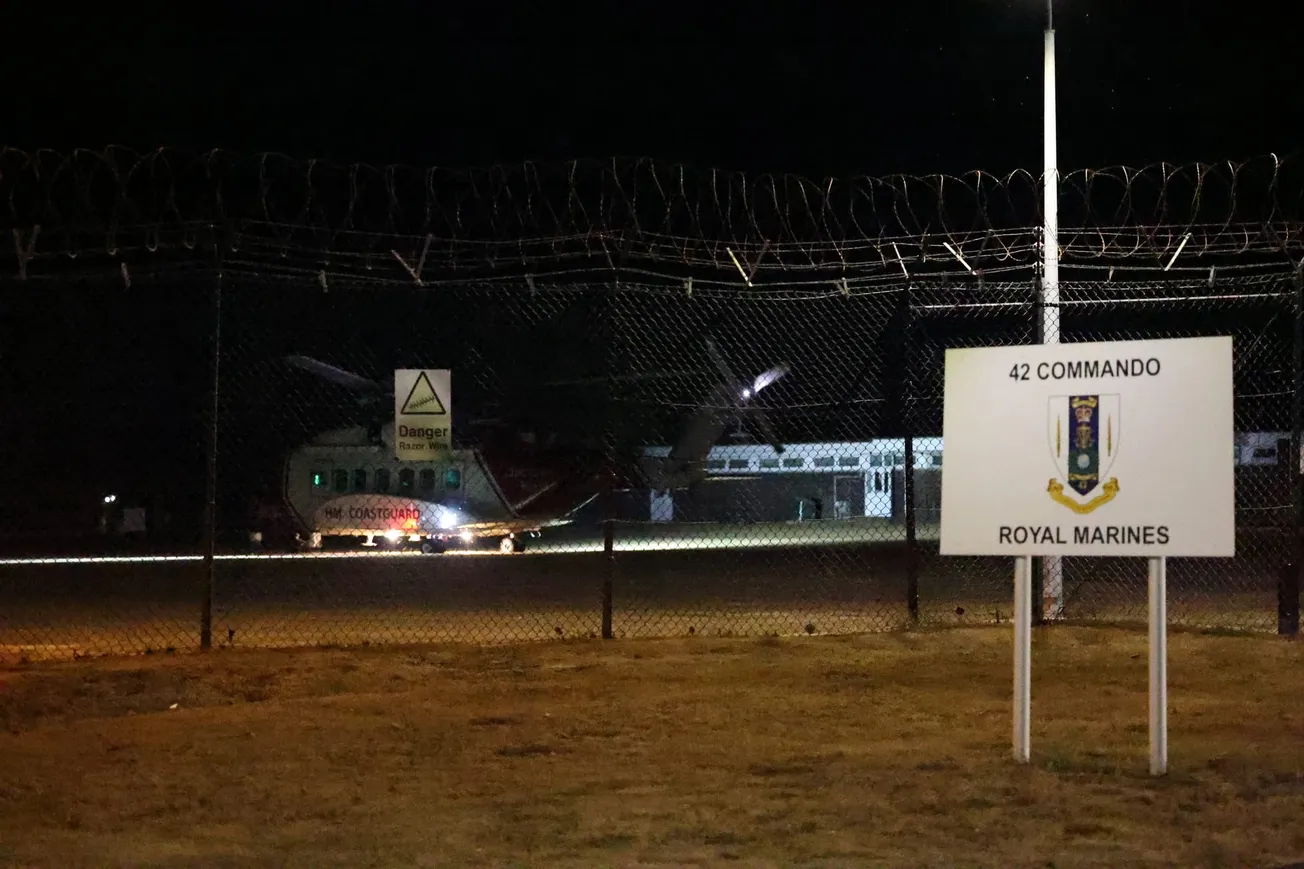
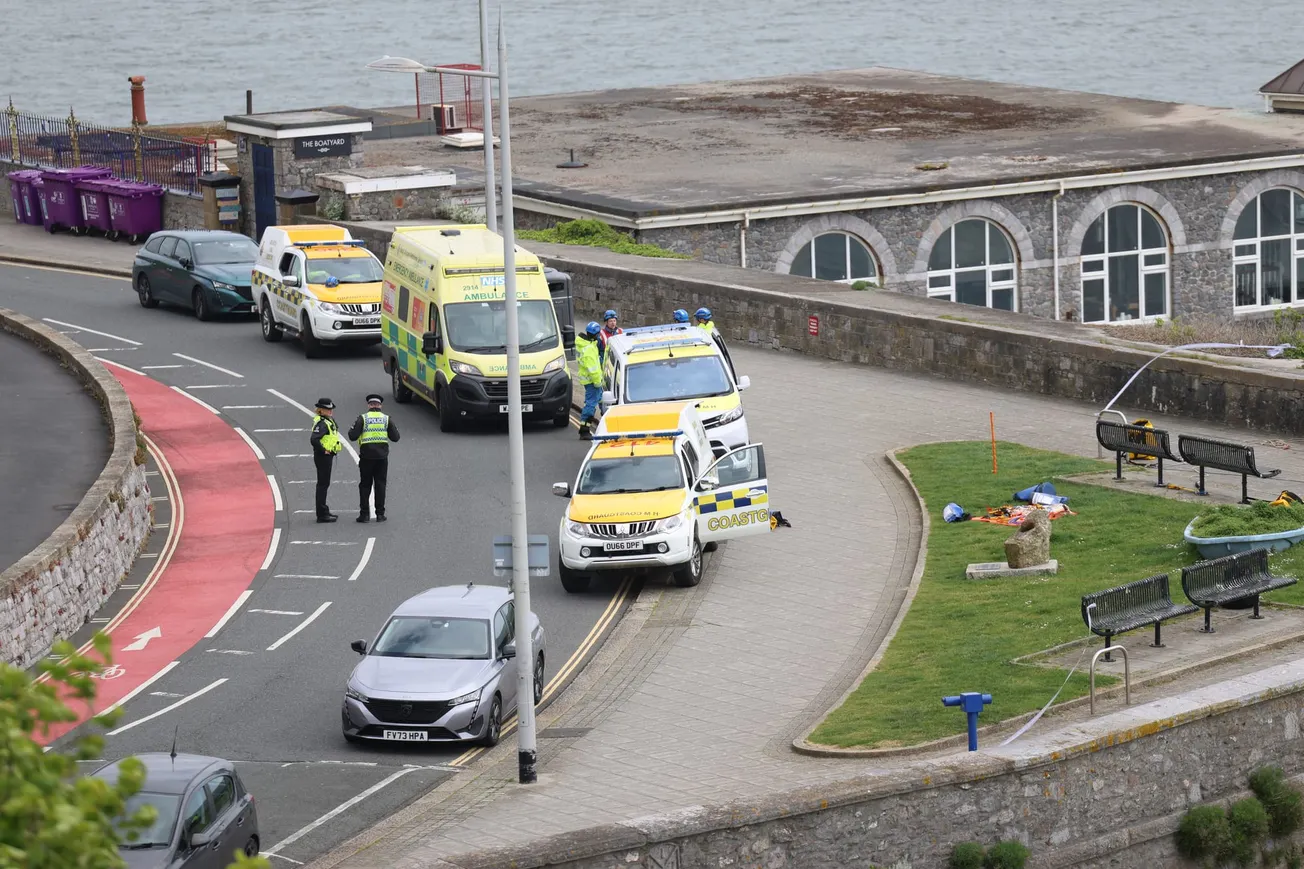
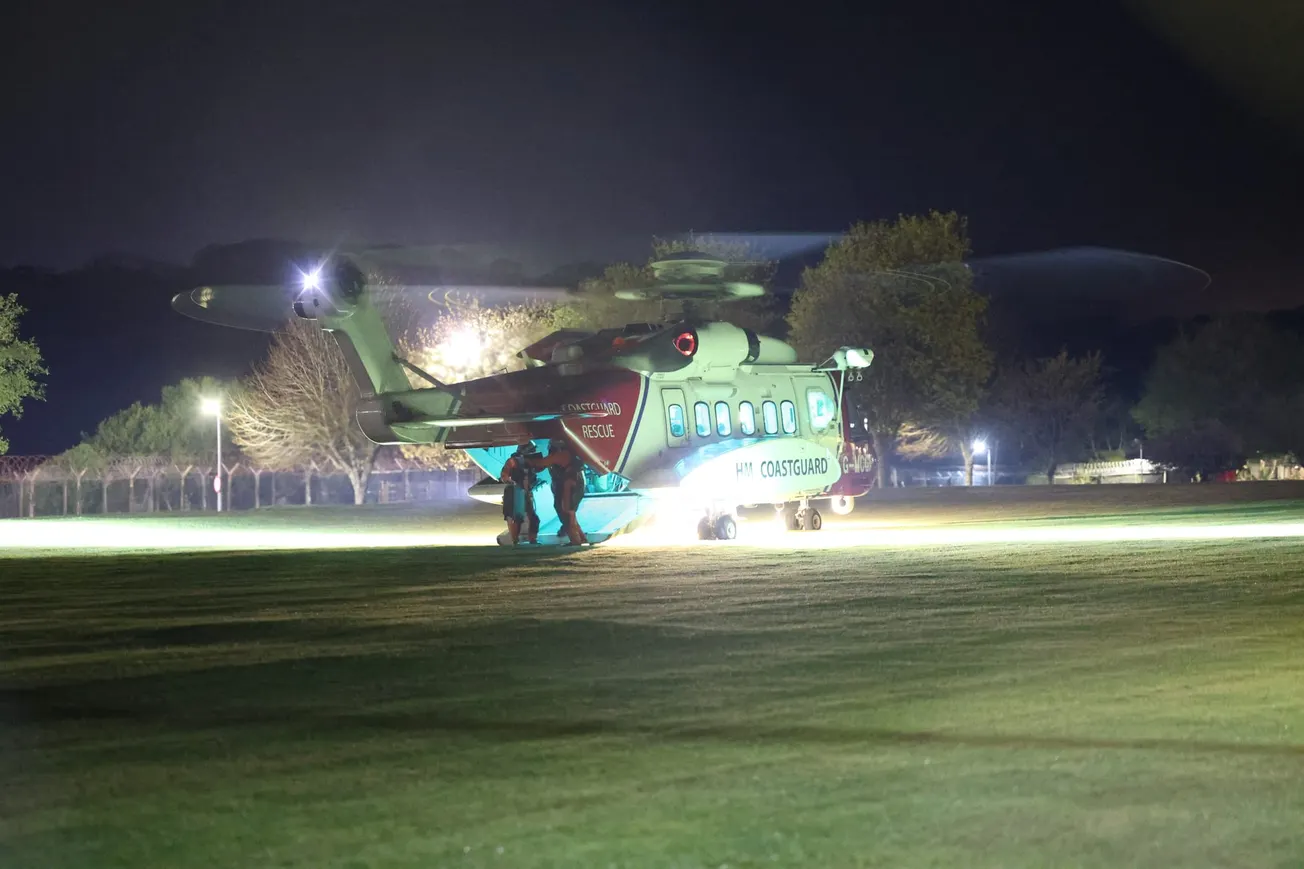
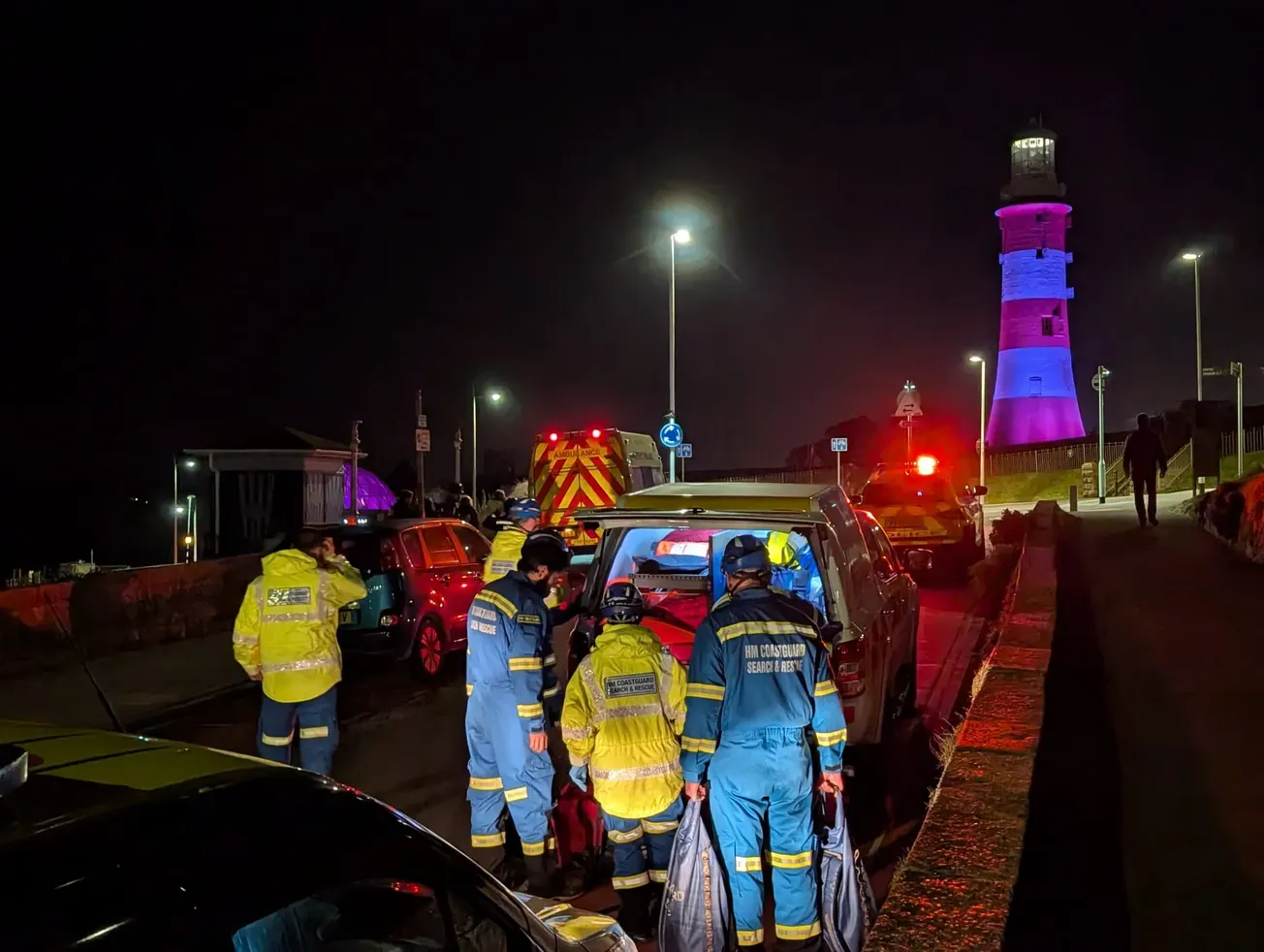
Here in Plymouth, the Coastguard Rescue Team is a vital emergency service. Last week, the busy Plymouth Coastguard Rescue Team responded to six emergencies in just one night.
The team is made up of people who cover 24-hour rotas, ready to leave their day jobs, families and spare time whenever their pagers sound.
From September 2026, the Labour government has decided that it will no longer pay hourly remuneration to CROs.
The decision was communicated to thousands of volunteer CROs across the UK by email and has left many questioning how the service will retain experienced officers who have dedicated years of their lives to helping others.
Ironically, the move comes after the government did not allow a CRO to be accompanied by a trade union representative during disciplinary proceedings.
This left the CRO with no other option but to bring a case in the Employment Tribunal to establish whether he had the right to be accompanied.
The Employment Tribunal initially dismissed the case, finding that CROs were volunteers. However, the Employment Appeal Tribunal overturned that decision, and the Court of Appeal upheld the finding that CROs are workers.
The court considered the fact that CROs received hourly pay for many activities, were issued payslips, could claim expenses and were expected to follow a Code of Conduct, including minimum attendance requirements.
It found that this created a "wage and work bargain", because CROs were expected to follow reasonable instructions while on duty and the Maritime and Coastguard Agency was expected to make payment when a valid claim was submitted.
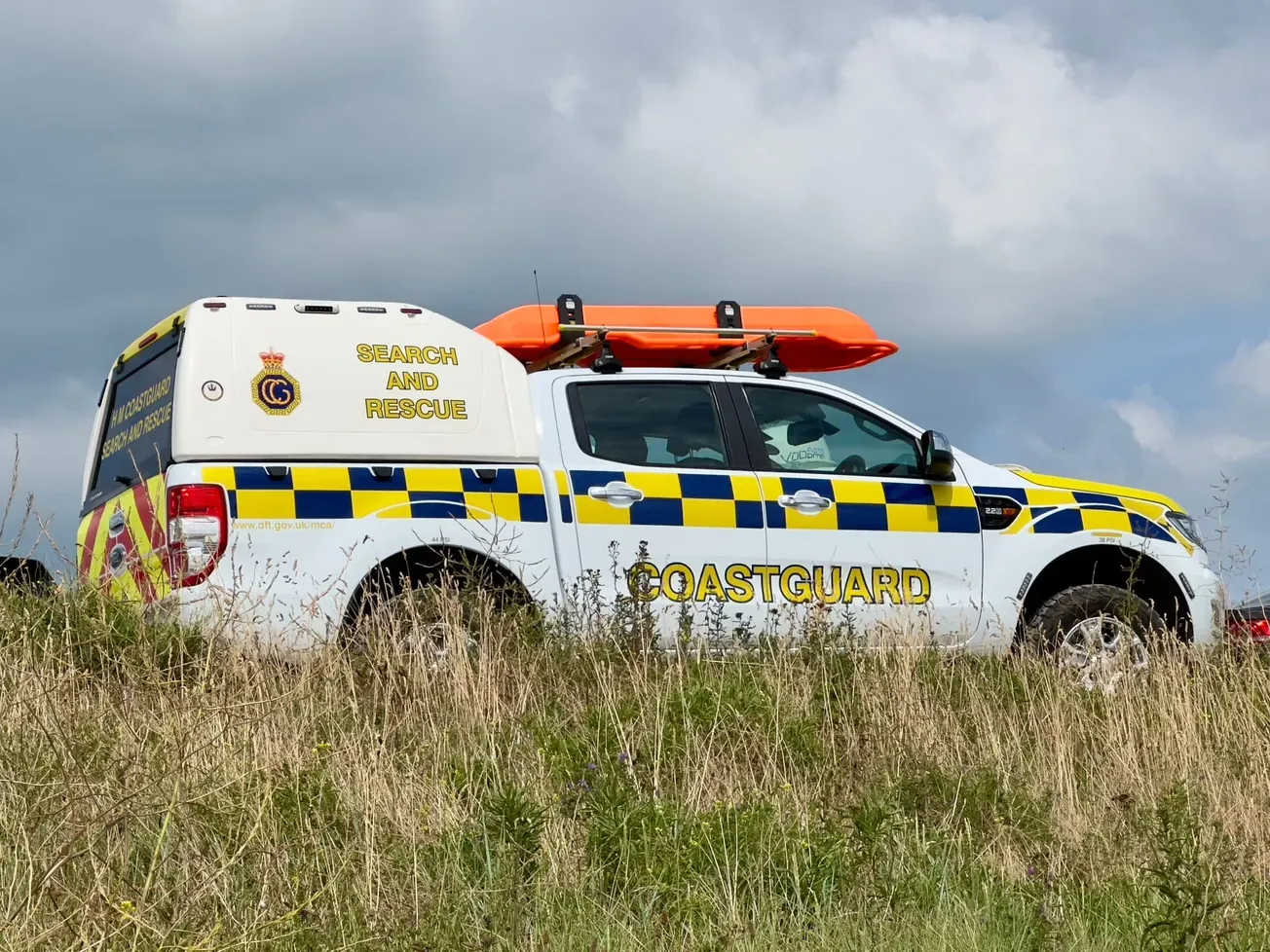
The Maritime and Coastguard Agency (MCA) is the government agency responsible for HM Coastguard and sits under the Department for Transport.
You may be surprised to learn that volunteers help keep the UK running more than you think, with many government departments and public services relying on similar arrangements to those that the MCA relied upon.
From our justice system, where volunteer magistrates sit in magistrates' courts, which deal with around 95% of criminal cases, to special constables in the police and the RNLI, volunteers play a vital role in keeping essential services running.
This is not a problem isolated to HM Coastguard. The landmark judgment now means other groups of volunteers could seek recognition as workers, creating wider consequences far beyond our coastal emergency service.
A petition has now been launched calling for legislation to make it possible to remunerate emergency volunteers while preserving their volunteer status.
The petition, created by John Bradbury MBE, says the Government must recognise the essential role volunteers play in the emergency service sector.
The petition has now passed 10,000 signatures, meaning the Government must respond. It needs 100,000 signatures to be considered for debate in Parliament.
The petition remains open until 13 October 2026 and you can sign it by clicking here.
The Maritime and Coastguard Agency was contacted for comment but did not respond.
Sign up for free below to get notified of all the latest breaking news from Plymouth Plus.