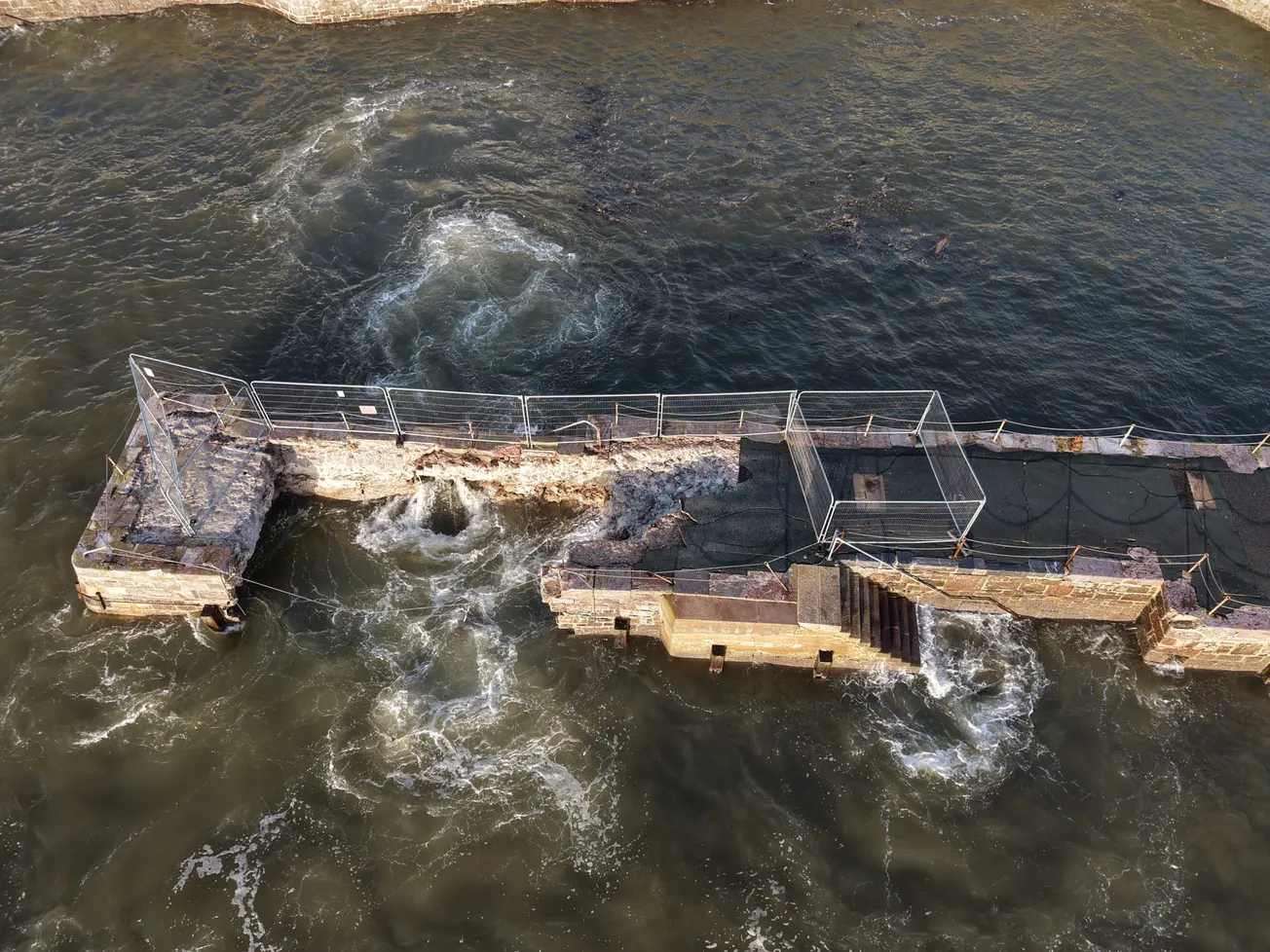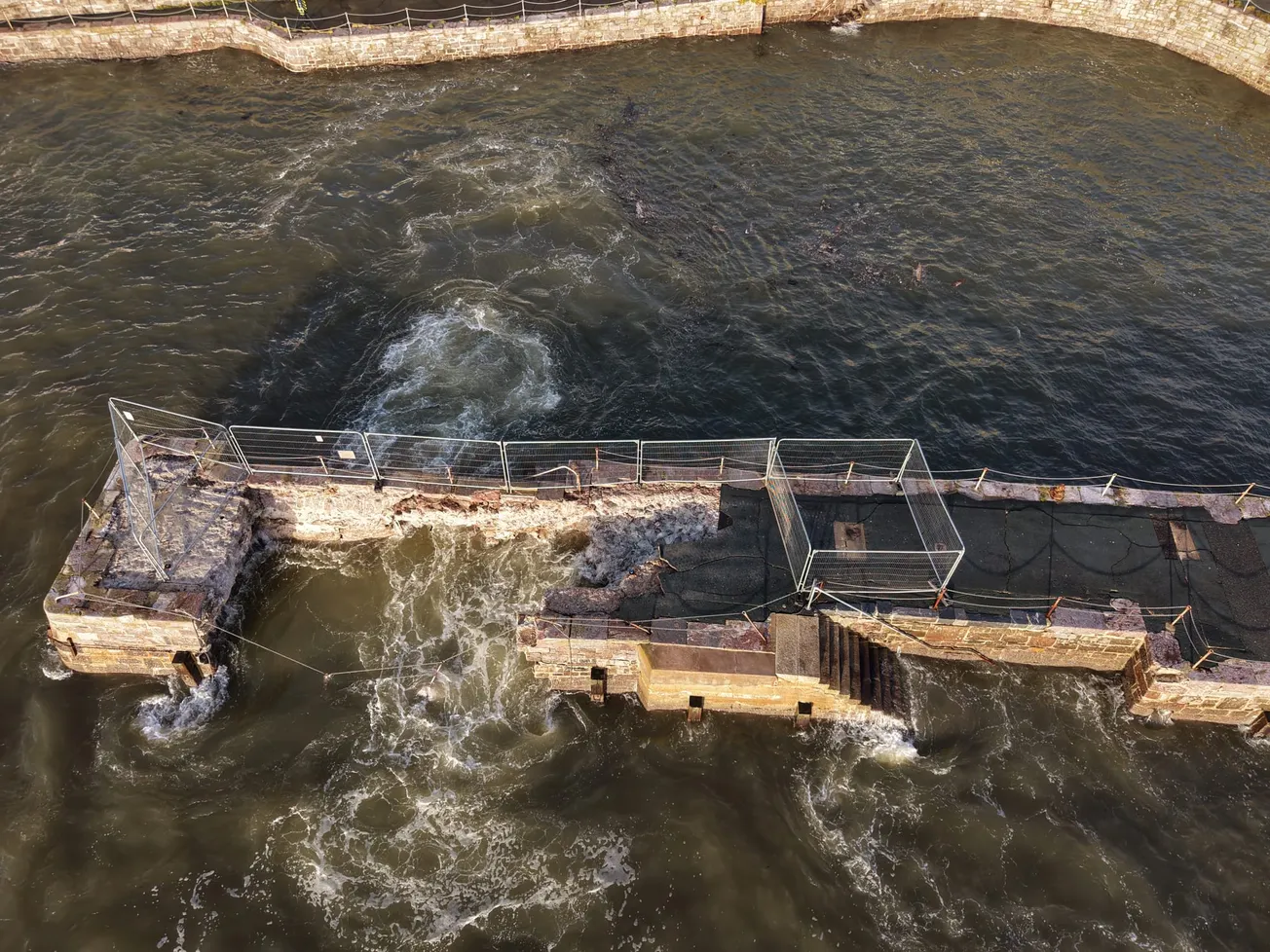
Scaffolding erected as part of attempts to repair Plymouth’s historic West Hoe Pier collapsed into the sea, sparking an emergency response.
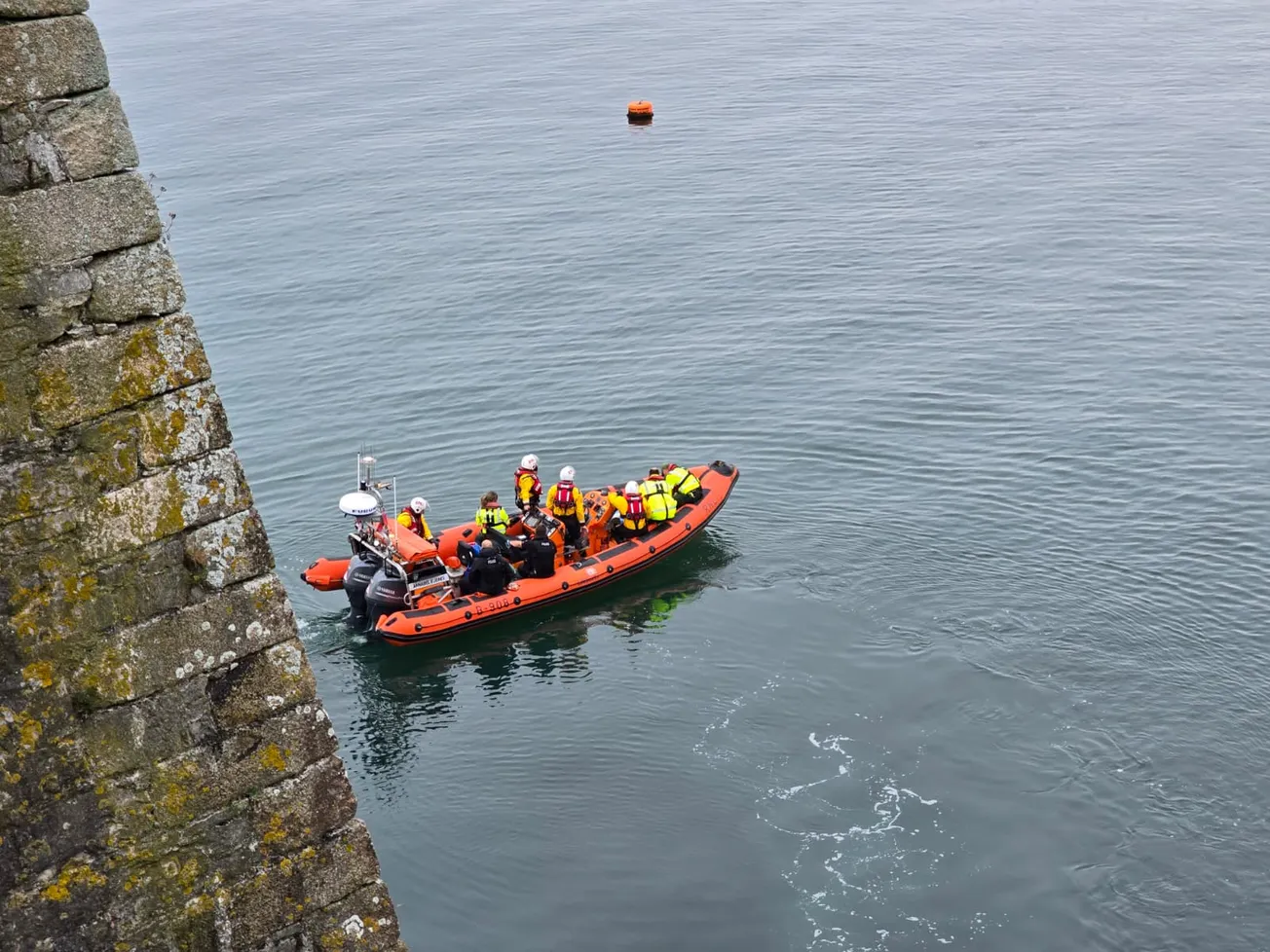
The King’s Harbour Master requested the MOD Police and RNLI to attend after a trawler reported floating debris close to the pier.
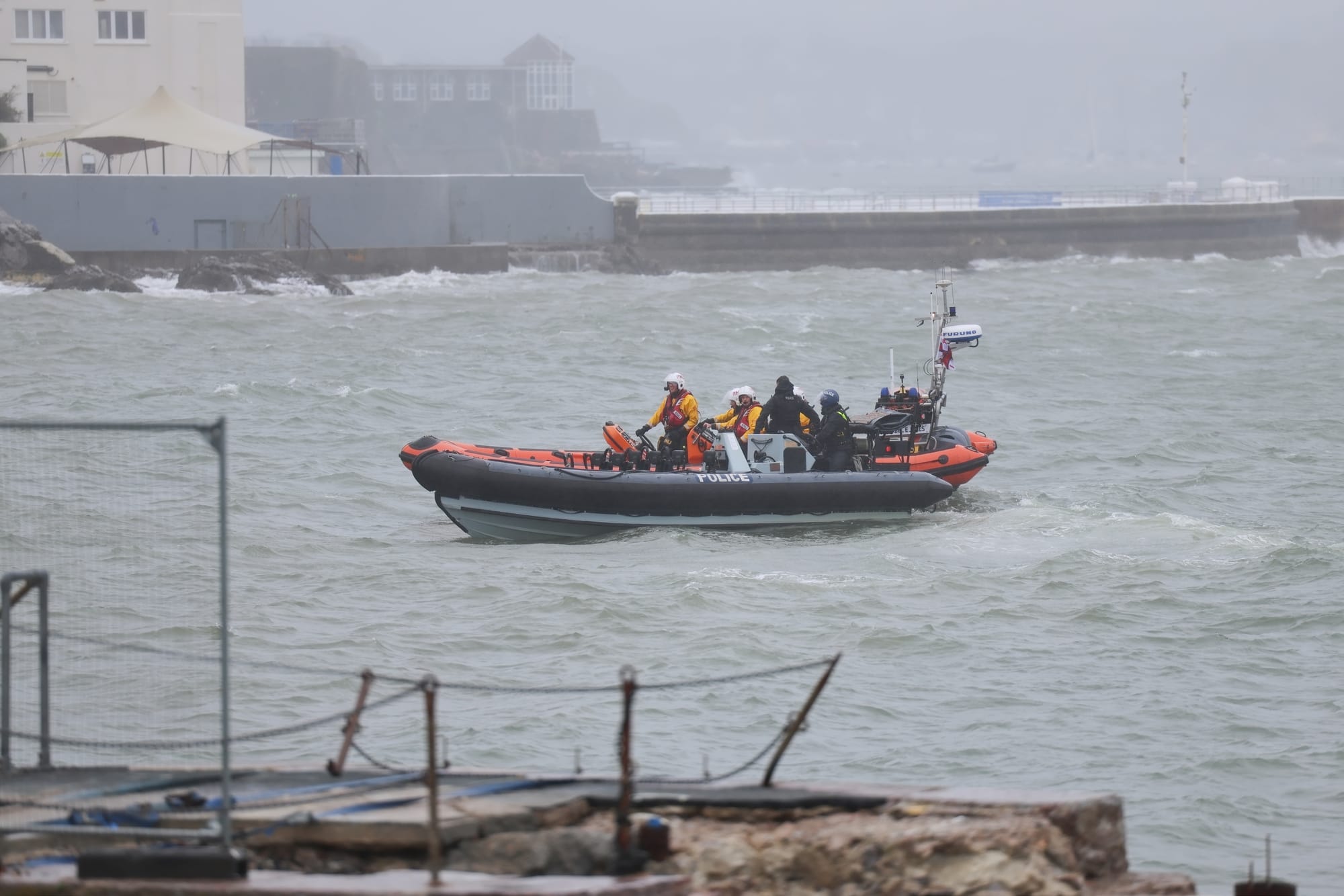
It was feared that the loose debris could pose a danger to vessels transiting Plymouth Sound.
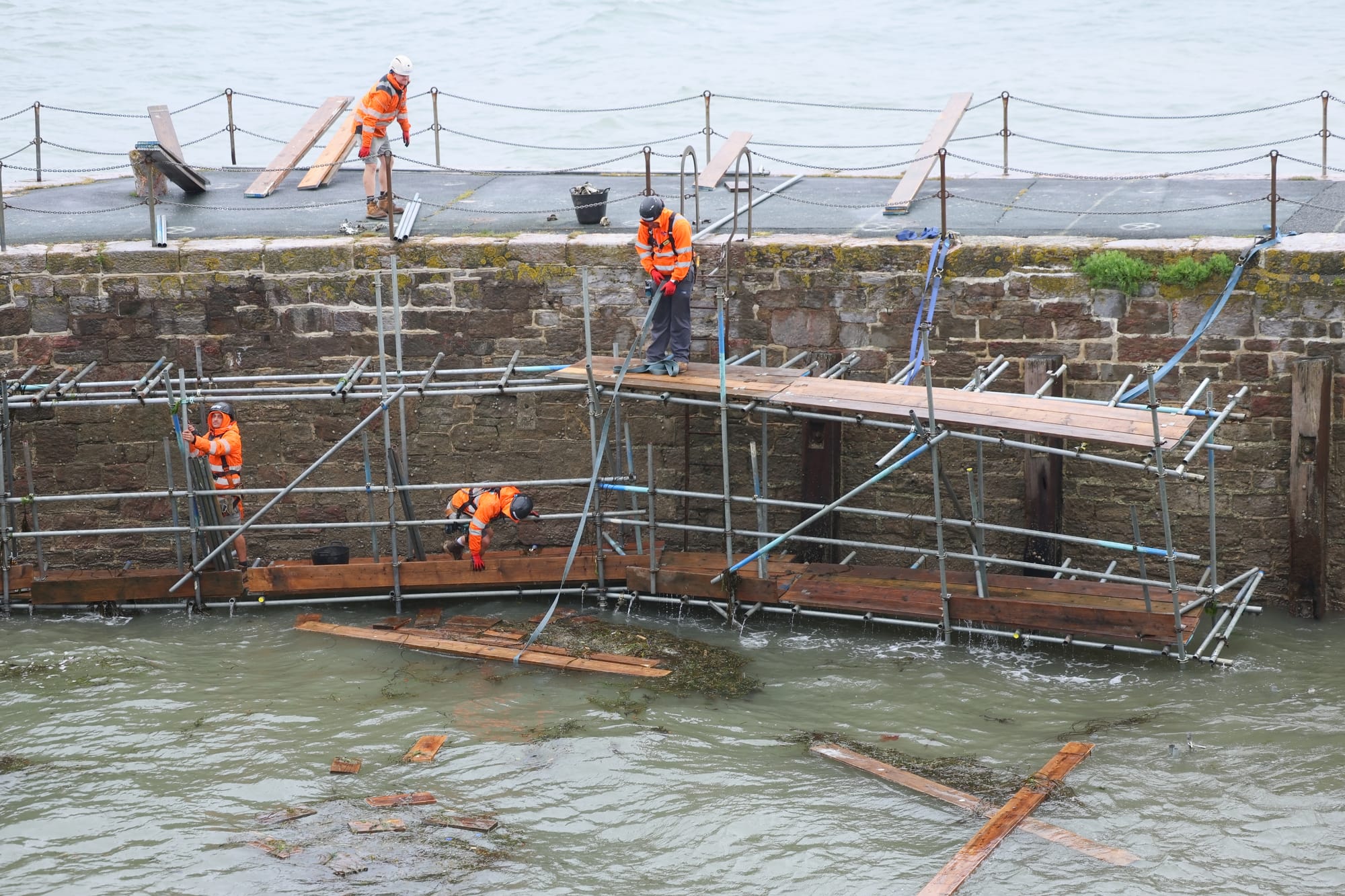
Approximately half of the scaffolding collapsed into the sea during blustery conditions on Saturday (6 June).
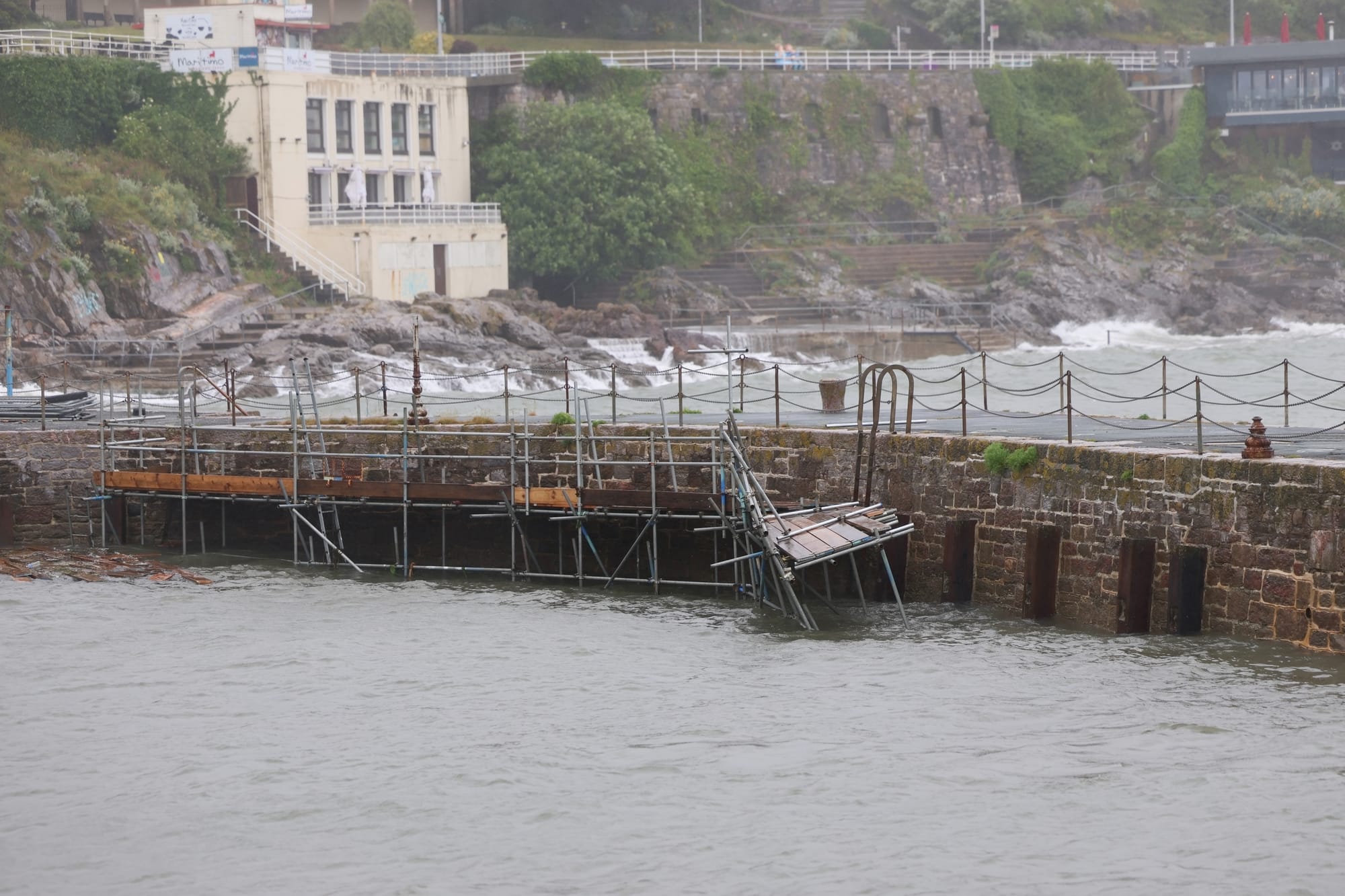
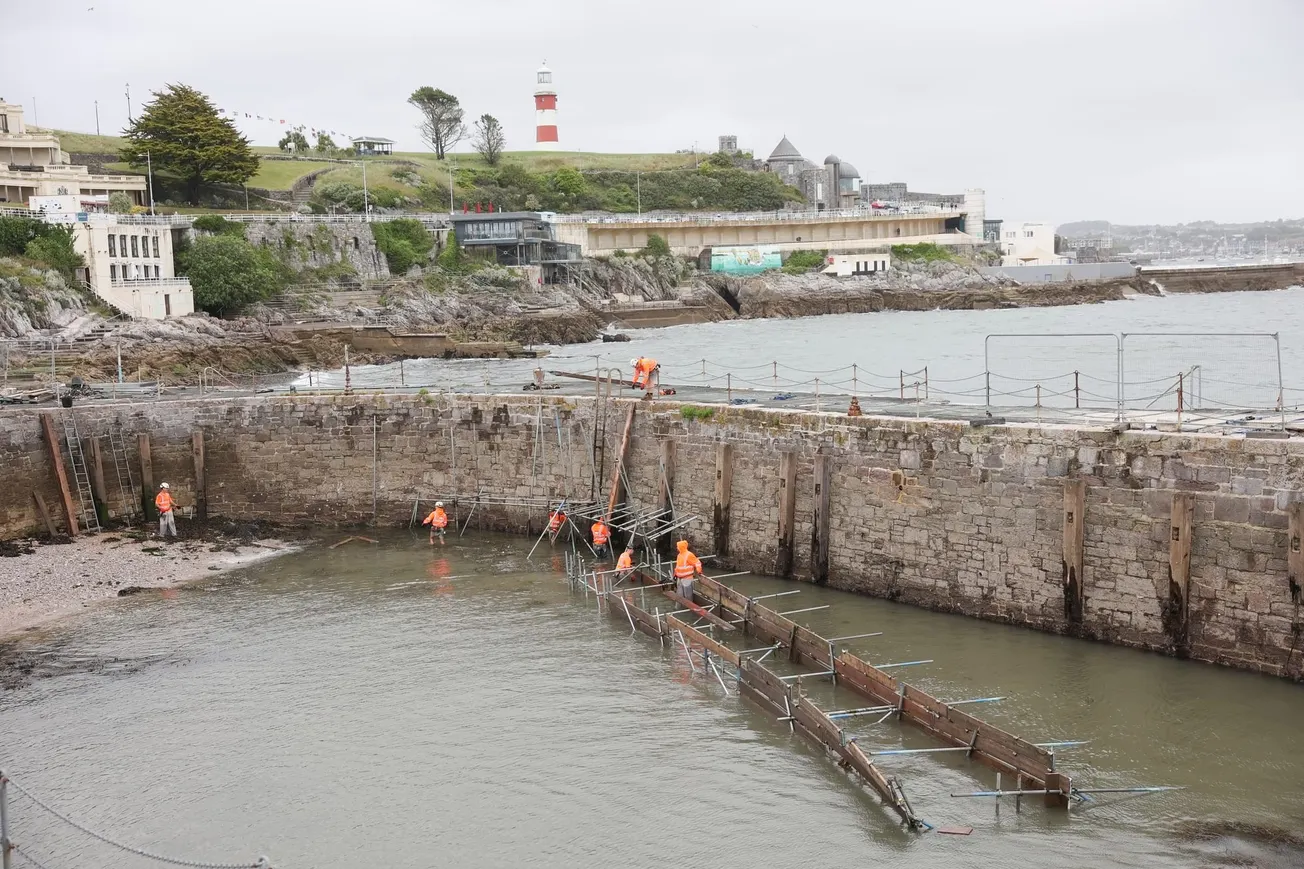
Plymouth City Council was made aware and notified its contractor, who arrived at the scene as the tide was going out and began removing the scaffolding.
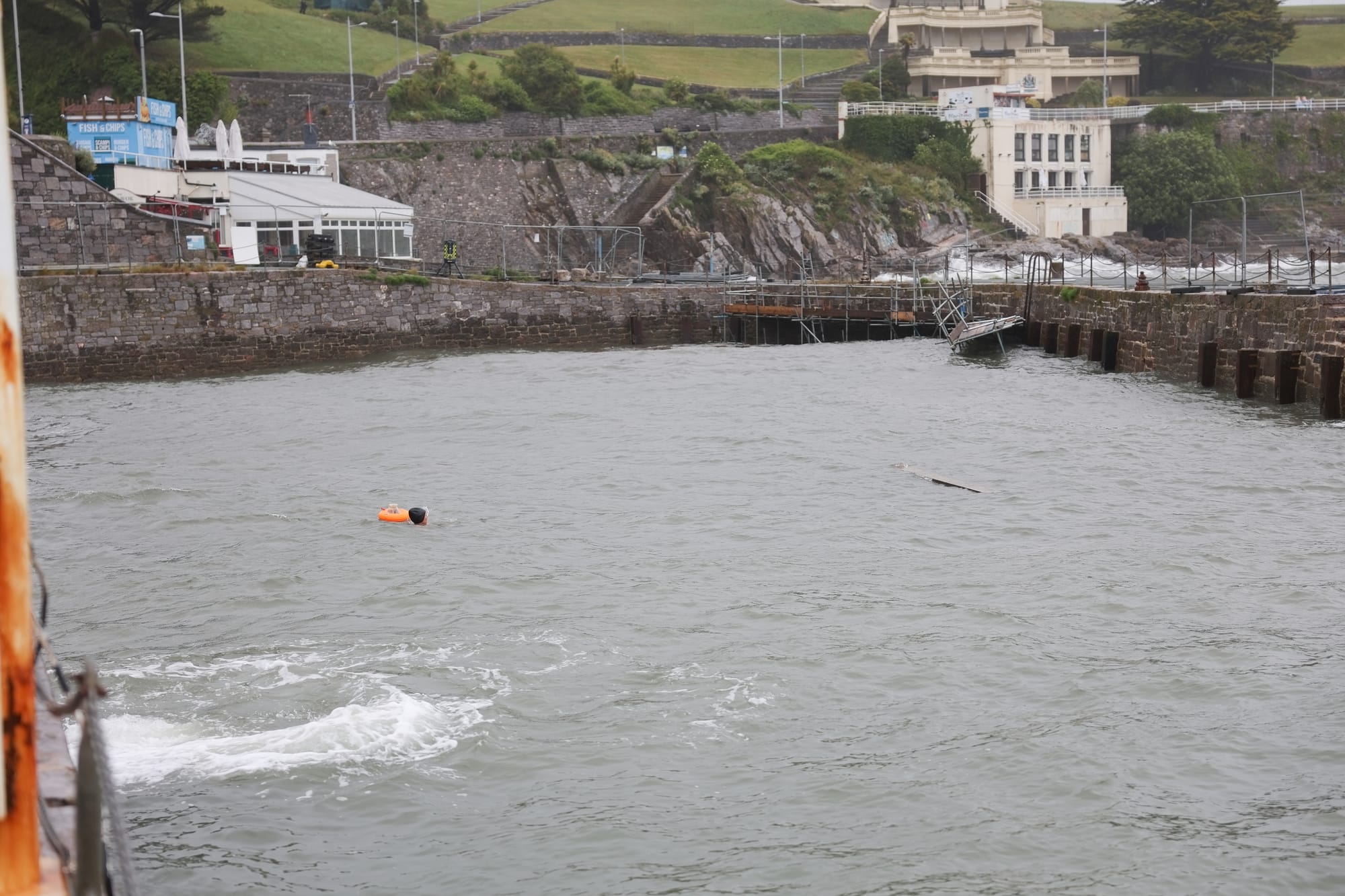
At one stage, a woman was seen swimming near the dangerous structure despite warnings from the scaffolding company.
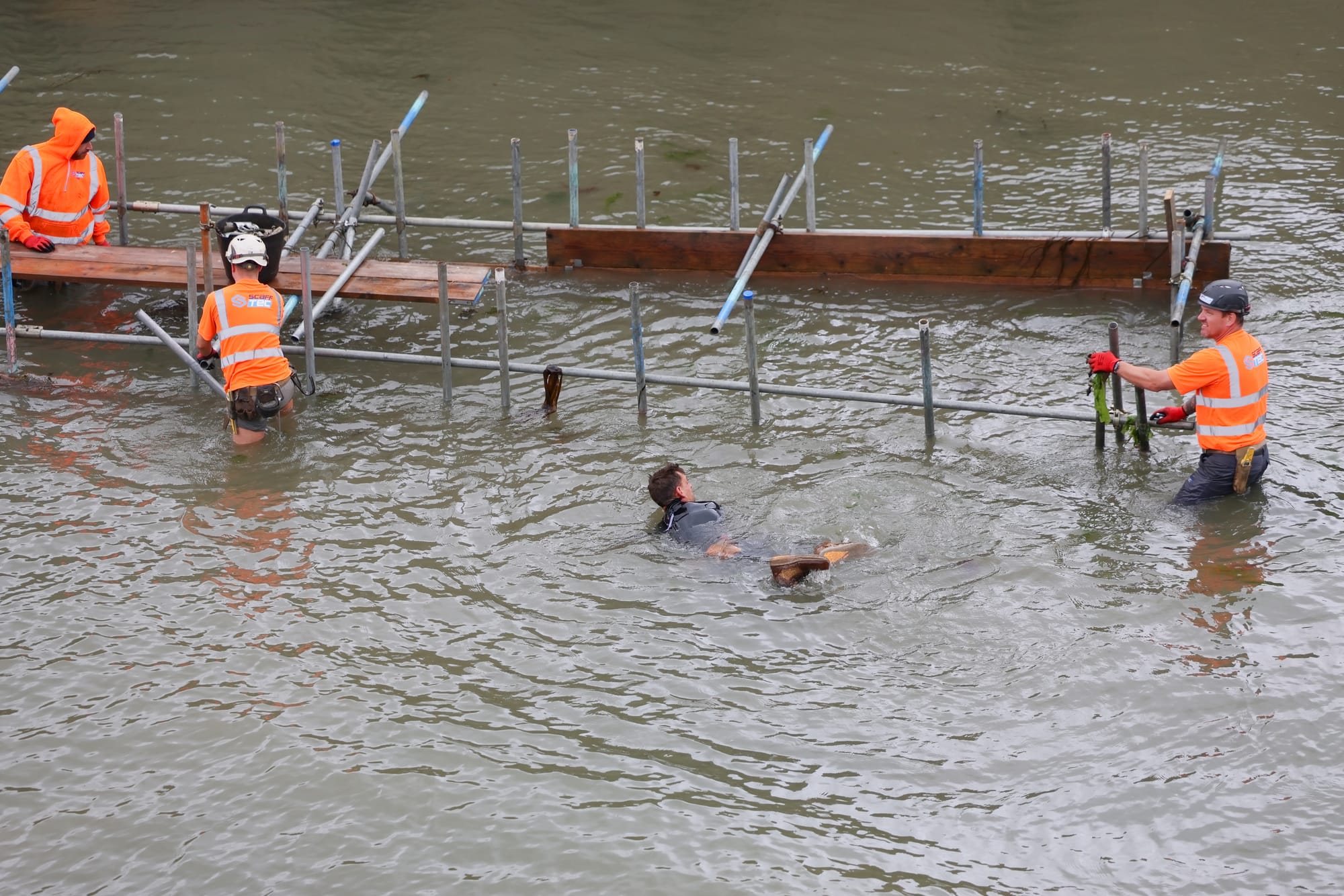
A dramatic race against the tide then unfolded as scaffolders entered the water, with one worker even wearing a wetsuit, in an effort to recover the scaffolding before the tide came back in.
Further crisis was averted after intense efforts by the scaffolders to bring the scaffolding ashore, preventing more debris from being swept out to sea.
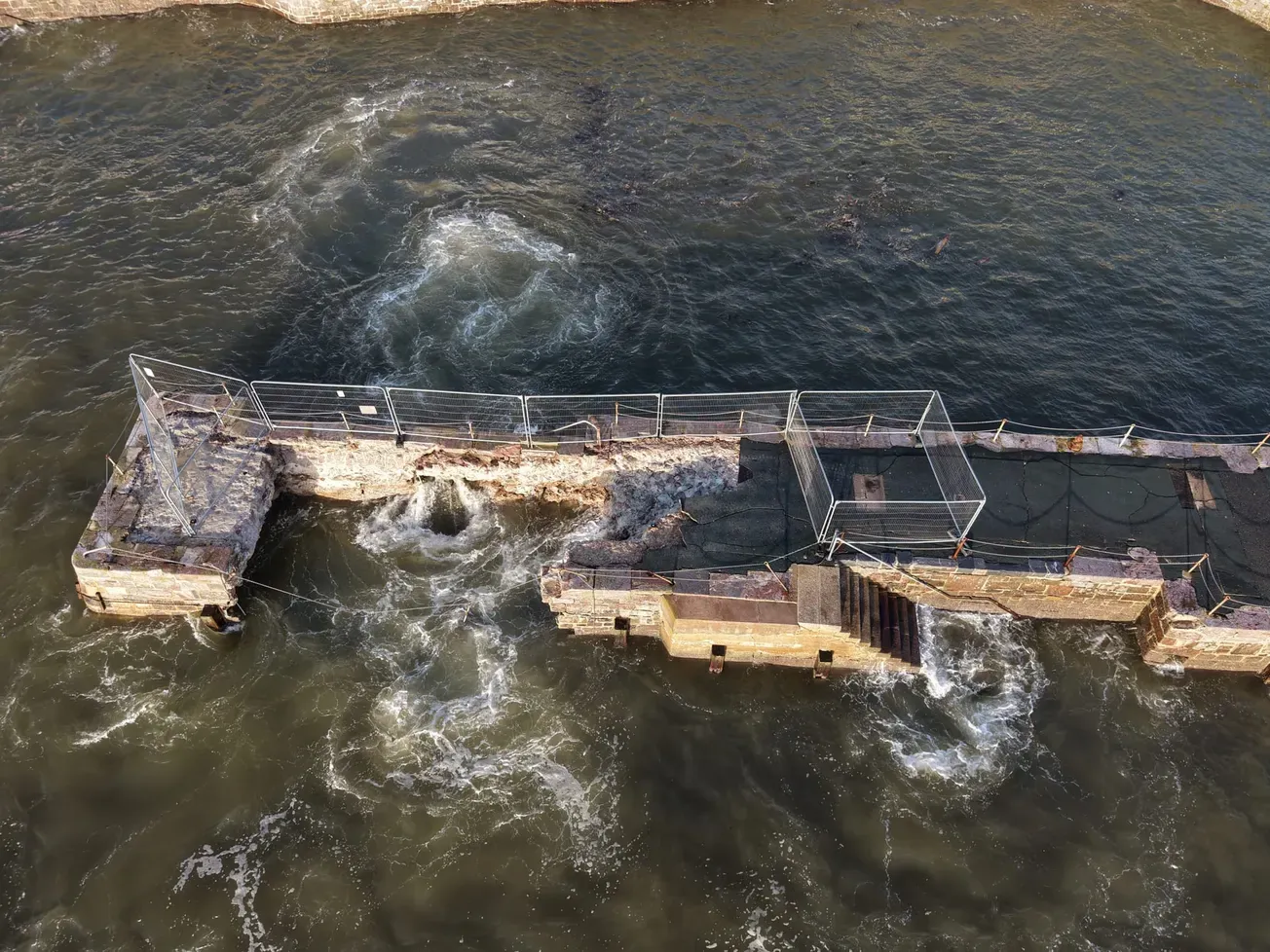
It comes just months after Storm Bram destroyed part of West Hoe Pier while repairs were ongoing.
The council decided that it would not obtain listed building consent for this work, which it described as the “first phase”.
According to Historic England, it is a criminal offence for work to be carried out on a listed structure without consent having been obtained in the first place.
The council is the enforcement authority for any breaches, meaning there is effectively a loophole which allows it to make such a decision without proper independent scrutiny.
Just a few days ago, a listed building consent application was finally made by the council, meaning the public can now have their say on the remainder of the works.
The council’s own heritage statement admits the works are needed to “address structural instability caused by failed previous repairs” and to “prevent further internal expansion and fabric loss.”
It also says defective grout from previous repairs had “reacted adversely with saltwater” and caused “internal expansion and structural failure.”
You can now have your say on the plans for the pier, which is over 100 years old, by clicking here.
Sign up for free below to get notified of all the latest breaking news from Plymouth Plus.